
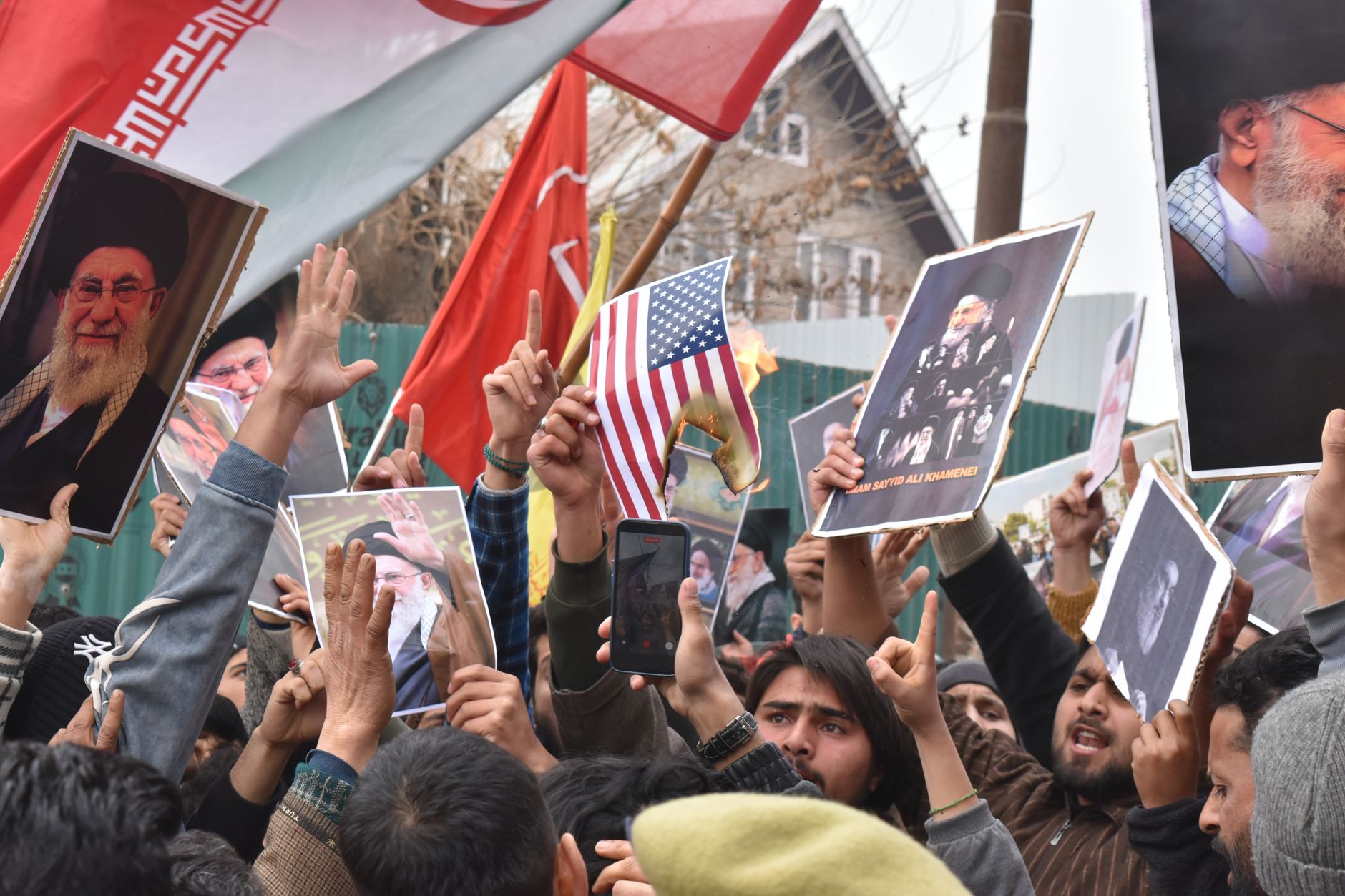
US approach to Iran is a critical topic as it reflects the evolving dynamics in international relations. Following JD Vance’s recent order, Iran’s perspective on the US strategy is under scrutiny.
Understanding Iran’s Perspective
Understanding the complexities of Iran’s perspective on the US approach to Iran is crucial in navigating the intricacies of international relations. Iran has often viewed American policies through a lens of skepticism and distrust, shaped by decades of historical grievances and geopolitical tensions.
Recently, the shift in the US approach has stirred a mix of reactions within Iran. Many Iranian officials perceive this change as a tactical maneuver rather than a genuine effort towards diplomacy. This skepticism is rooted in:
- Historical Context: The 1953 coup, US sanctions, and military interventions have left deep scars in Iranian society.
- Geopolitical Dynamics: Iran sees itself as a regional power and often reacts defensively to perceived encroachments by the US and its allies.
- Domestic Politics: The Iranian government uses the US as a common enemy to consolidate power and rally public support amidst economic struggles.
Moreover, the recent actions taken by US officials, such as JD Vance’s directives, have been interpreted as a sign of continued American hostility. In this context, Iran’s leadership remains cautious, weighing potential engagement against the backdrop of historical patterns. The evolving US approach to Iran will likely require careful consideration of these underlying sentiments to foster a more constructive dialogue moving forward.
JD Vance’s Impact on Relations
JD Vance’s recent actions have sparked significant discussions regarding the US approach to Iran and its implications for diplomatic relations. By advocating for a more assertive stance, Vance has helped to reshape perceptions about America’s commitment to holding Iran accountable for its regional activities.
Vance’s impact can be seen through several key areas:
- Legislative Action: His push for stricter sanctions has garnered bipartisan support, highlighting a united front against Iran’s nuclear ambitions.
- Public Discourse: By addressing the issue in public forums, Vance has increased awareness about the complexities of Iran’s influence in the Middle East.
- Strategic Partnerships: His efforts have encouraged collaboration with allies, reinforcing the importance of a collective approach to dealing with Iranian provocations.
Moreover, Vance’s emphasis on a tougher stance resonates with a broader constituency that is wary of Iran’s intentions. This shift in the US approach to Iran is not merely political rhetoric; it reflects a growing consensus that a firmer hand may be necessary to deter aggression.
As the situation evolves, the effectiveness of Vance’s influence will be closely monitored, especially in light of Iran’s responses to the changing dynamic in US foreign policy. The potential for a recalibrated dialogue remains, but it will depend heavily on sustained pressure and coherent strategies moving forward.
Recent Changes in US Foreign Policy
In recent months, the US approach to Iran has undergone significant shifts that reflect a more strategic engagement aimed at addressing ongoing tensions. These changes have been marked by several key developments in foreign policy, signaling a departure from previous tactics that often resulted in stalemates.
Among the most notable actions taken by the US government are:
- Increased Diplomatic Efforts: The US has initiated a series of diplomatic talks aimed at re-establishing communication channels, fostering a climate of dialogue rather than confrontation.
- Sanction Adjustments: A reevaluation of certain sanctions has been proposed, with the intention of creating economic incentives for Iran to comply with international agreements.
- Coalition Building: The US has sought to strengthen alliances with regional partners, promoting a united front in addressing issues related to Iran’s nuclear ambitions.
- Humanitarian Initiatives: New programs aimed at alleviating the humanitarian crisis in Iran have been introduced, emphasizing a commitment to the welfare of Iranian citizens.
These strategic changes are seen as a pivotal moment in the US approach to Iran, with experts suggesting that they may lead to a more stable relationship over time. As the situation evolves, the effectiveness of these policies will be closely monitored by both domestic and international observers.
Historical Context of US-Iran Relations
The historical context of US-Iran relations is crucial to understanding the current dynamics shaped by recent policy shifts. For decades, the relationship between the two nations has been characterized by tension and mistrust, stemming from significant events such as the 1953 CIA-led coup in Iran and the 1979 Iranian Revolution. These pivotal moments have left a lasting imprint on both nations’ perceptions of each other.
In the early years following the revolution, the US adopted a confrontational approach, imposing sanctions and isolating Iran on the global stage. This strategy intensified distrust and fueled anti-American sentiment among the Iranian populace. Over time, Iran’s regional actions, including support for proxy groups and involvement in various conflicts, further complicated the relationship.
However, the recent shifts in the US approach to Iran indicate a potential reevaluation of this long-standing dynamic. The emphasis on diplomacy and engagement, particularly after JD Vance’s influence on shaping discussions around Iran, marks a significant departure from previous policies. This evolving stance aims to address not only nuclear concerns but also broader regional stability.
As the US navigates its approach to Iran, understanding the historical context is essential. Without acknowledging the past, any attempts to foster cooperation may falter, ultimately impacting both nations’ futures in a complex geopolitical landscape.
Iran’s Response to US Actions
Iran’s response to the evolving US approach to Iran has been marked by a mix of skepticism and cautious engagement. Following the recent shifts in US foreign policy, particularly after JD Vance’s involvement, Iranian officials have expressed concerns over the implications of these changes for regional stability and security.
- Public Statements: Iranian leaders have publicly criticized the US actions, labeling them as attempts to undermine Iran’s sovereignty and influence in the region. They argue that the US should focus on diplomatic dialogue rather than pressure tactics.
- Strategic Alliances: In response to perceived US aggression, Iran has sought to strengthen its ties with neighboring countries and non-state actors, reinforcing its position against what it sees as US imperialism.
- Military Readiness: The Iranian military has heightened its readiness, with leaders emphasizing the need to protect national interests amidst what they term as an escalating US threat.
- Public Sentiment: The Iranian populace appears divided; while some support a hardline stance against the US, others advocate for diplomacy, hoping it could lead to improved economic conditions.
Despite these reactions, there are indications that Iran is cautiously considering the new US approach. Some analysts suggest that Iran may be willing to explore avenues for engagement if they perceive genuine intentions from the US to ease tensions and foster dialogue.
Future Implications for Diplomacy
The evolving US approach to Iran is poised to have significant implications for future diplomacy in the region. As the situation continues to develop, it is essential to consider how this shift might affect bilateral relations and regional stability.
One potential outcome of a more engaged US stance could be increased dialogue and negotiation opportunities. By prioritizing communication over confrontation, both nations might find common ground on critical issues such as nuclear proliferation and regional security. This approach could lead to:
- Enhanced cooperation: Potential partnerships in areas like counter-terrorism and economic development could emerge.
- Trust-building measures: Steps such as easing sanctions or participating in multilateral talks could foster a more trustful environment.
- Stability in the Middle East: Improved US-Iran relations could contribute to regional peace, reducing the likelihood of military conflicts.
However, the effectiveness of this new diplomatic strategy will largely depend on Iran’s response and willingness to engage. If the US maintains a consistent and fair approach, it may encourage Iran to reciprocate, paving the way for a more collaborative relationship.
Ultimately, the future implications for diplomacy will hinge on the delicate balance of interests and the commitment of both nations to pursue a constructive dialogue in light of the shifting dynamics.
Expert Opinions on the Shift
As the US approach to Iran continues to evolve, experts are weighing in on the implications of recent policy shifts. Many analysts suggest that the change in tone has been largely influenced by the actions of political figures like JD Vance, who have pushed for a more assertive stance in dealing with Tehran.
According to Dr. Emily Carter, a scholar of Middle Eastern politics, “The US approach to Iran must be multifaceted, balancing pressure with diplomacy. The current shift seems to recognize that a purely confrontational stance may not yield the desired results.” This perspective highlights the importance of understanding Iran’s regional ambitions and the need for strategic engagement.
Similarly, Professor Amir Rashid notes that “the recent adjustments in US foreign policy have created both opportunities and challenges.” He points out that while there is potential for improved relations, the longstanding mistrust between the two nations complicates dialogue. “Trust-building measures are essential,” he emphasizes, suggesting that both sides need to demonstrate a commitment to constructive communication.
Furthermore, former diplomat Sarah Thompson argues that “the US must remain vigilant and adaptable.” She warns that any missteps could lead to renewed tensions, stressing the importance of sustained diplomatic efforts. In this complex landscape, expert opinions indicate that the US approach to Iran is still a work in progress, requiring careful navigation to foster stability in the region.
The US approach to Iran has evolved significantly over the past few years, reflecting a strategic shift that emphasizes diplomatic engagement. This new US approach to Iran aims to address long-standing issues while fostering stability in the region.
Photo by Tawseef Ahmad on Pexels
Read the original
Related stories
Jupiter and Mars Close Approach: Is It Worth Watching? · FAA Ground Stop Updates: What’s the Real Impact? · Immigration News November 2026: Clear Insights and Updates