
Voyager 1 milestone is a remarkable achievement in the history of space exploration. NASA’s Voyager 1 has made headlines as it reaches a significant distance from Earth, showcasing human ingenuity and perseverance in the quest for knowledge.
What is the Voyager 1 milestone?
The Voyager 1 milestone marks a significant achievement in space exploration, as the spacecraft recently traveled over 14 billion miles from Earth. Launched in 1977, Voyager 1 has been on a mission to explore the outer planets and beyond, providing invaluable data about our solar system and interstellar space.
As it continues its journey, Voyager 1 has entered a new phase of exploration, venturing into regions never before reached by any human-made object. Some key highlights of this milestone include:
- First spacecraft to reach interstellar space.
- Continuous transmission of data back to Earth for over four decades.
- Discovery of new information about cosmic rays and magnetic fields.
As scientists analyze the data, the Voyager 1 milestone is likely to deepen our understanding of the universe and inspire future generations of explorers.
How does Voyager 1 communicate with Earth?
Voyager 1, celebrated for its recent milestone, communicates with Earth using a sophisticated system of antennas and radio waves. The spacecraft is equipped with a high-gain antenna that sends and receives signals across vast distances. This antenna allows Voyager 1 to transmit scientific data back to mission control, where it is analyzed by scientists eager to learn more about our solar system and beyond.
The communication process involves several key components:
- Radio Waves: Voyager 1 sends information as radio waves, which travel at the speed of light.
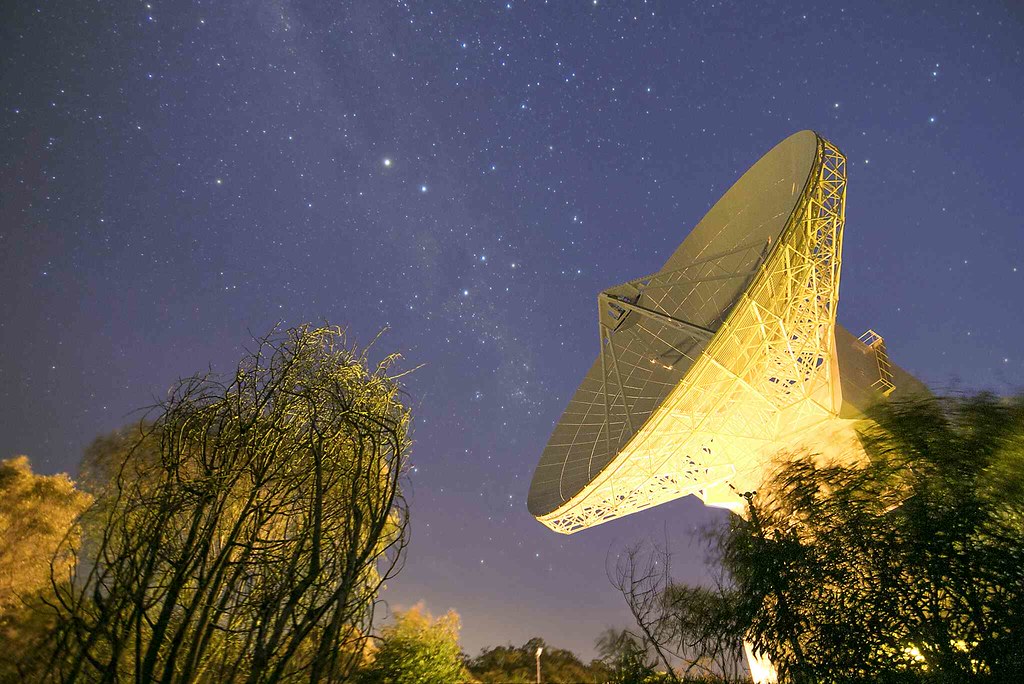
- Deep Space Network: NASA’s Deep Space Network (DSN) consists of large antennas that receive signals from Voyager 1.
- Time Delay: Due to the immense distance, signals take over 23 hours to reach Earth, making communication a unique challenge.
This intricate communication system is vital for the ongoing success of the Voyager 1 mission and contributes to its status as a remarkable milestone in space exploration.
The significance of Voyager 1’s journey
The significance of Voyager 1’s journey cannot be overstated. Launched in 1977, Voyager 1 has traversed over 14 billion miles, making it the farthest human-made object from Earth. This incredible milestone represents not only a technological triumph but also a profound exploration of our solar system and beyond.
As Voyager 1 continues to send back valuable data, it helps scientists understand the boundaries of our solar system and the interstellar medium. This achievement has opened new avenues for research and has inspired generations to look towards the stars.
Among its many contributions, Voyager 1 has:
- Captured stunning images of the outer planets
- Provided insights into cosmic phenomena
- Expanded our knowledge of space and time
In essence, the Voyager 1 milestone is not just a testament to human ingenuity but also a reminder of our place in the universe.
Future of interstellar exploration
The future of interstellar exploration is increasingly bright, thanks in large part to the Voyager 1 milestone. As humanity’s first probe to enter interstellar space, Voyager 1 has set a precedent for future missions beyond our solar system. Scientists and engineers are now considering new technologies and spacecraft that could build upon the legacy of Voyager 1.
Proposed missions include:
- Interstellar Probe: A mission designed to travel further than Voyager 1 and gather data from the heliosphere.
- New Horizons 2: A follow-up to the New Horizons mission that could explore additional Kuiper Belt objects.
- Direct Imaging Technologies: Innovations that could allow for the imaging of exoplanets in distant star systems.
These advancements could redefine our understanding of the universe and our place within it.
NASA’s plans for upcoming missions
NASA continues to push the boundaries of space exploration with ambitious plans for upcoming missions. As Voyager 1 reaches its remarkable milestone, the agency is focusing on several key projects aimed at expanding our understanding of the cosmos.
Some of the highlighted missions include:
- Europa Clipper: Scheduled for launch in the 2020s, this mission will explore Jupiter’s moon Europa, which is believed to harbor a subsurface ocean.
- Artemis Program: Aiming to return humans to the Moon by 2024, this initiative will pave the way for future Mars exploration.
- James Webb Space Telescope: Set to launch soon, this telescope will provide unprecedented views of the universe, furthering our knowledge about distant galaxies.
These initiatives reflect NASA’s ongoing commitment to space exploration, inspired by the achievements of Voyager 1 and its recent milestone.
The Voyager 1 milestone represents humanity’s relentless pursuit of knowledge beyond our planet. As we celebrate this extraordinary achievement, questions arise about its impact on future space exploration endeavors.
By europeanspaceagency via Openverse