
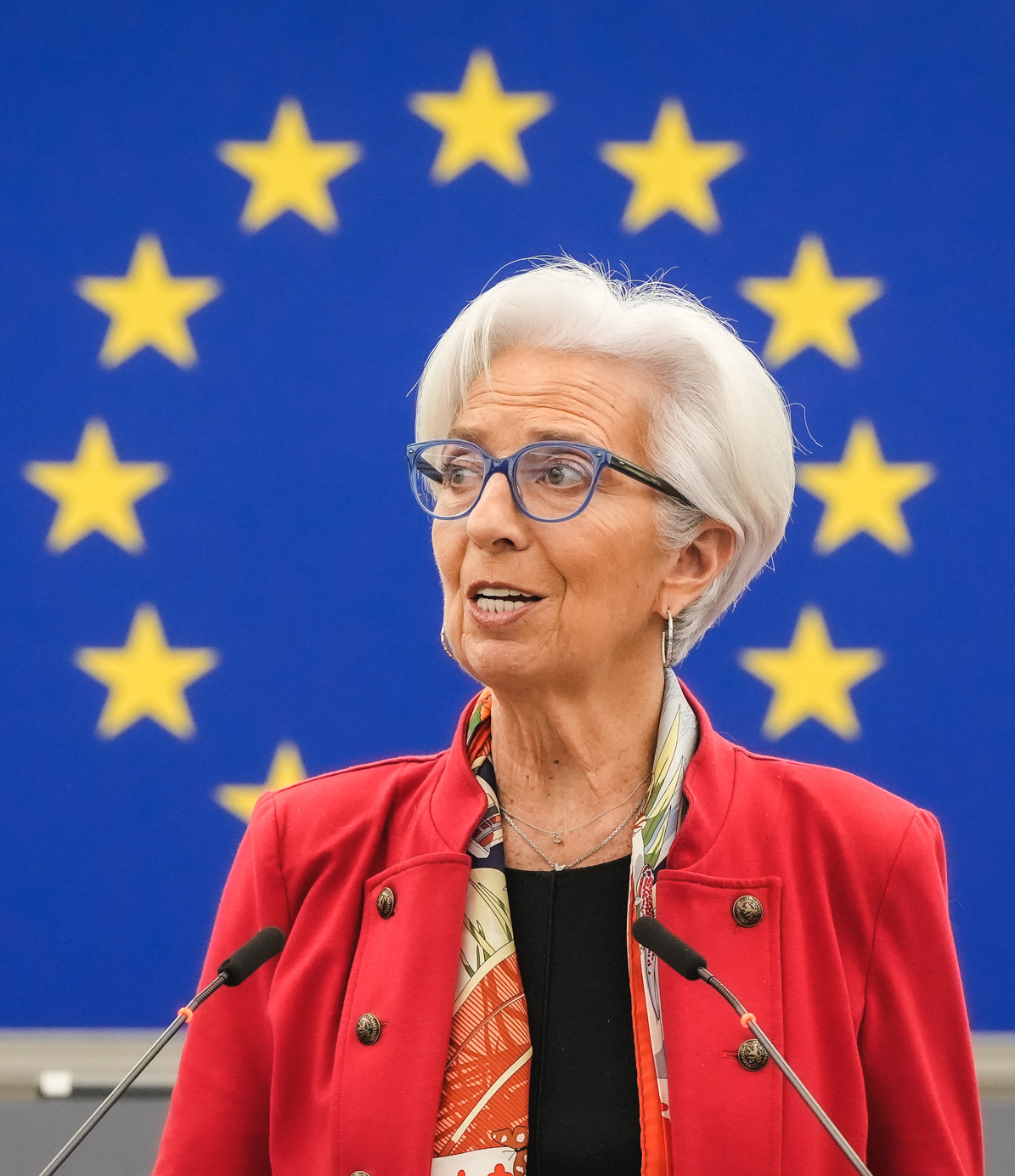
The ECB presidency is undergoing a significant transition as De Cos is poised to take over following Lagarde’s tenure. This leadership change is expected to shape the future of European monetary policy.
Overview of the ECB Presidency
The upcoming transition in the European Central Bank (ECB) presidency marks a significant moment for the future of Europe’s monetary policy. With the impending departure of Christine Lagarde, the spotlight now turns to the potential successor, Pablo Hernández de Cos, who is anticipated to lead the ECB into a new era. This change is not merely a shift in leadership but represents a pivotal opportunity to redefine the ECB’s strategies and priorities.
Under Lagarde’s leadership, the ECB has navigated numerous challenges, including economic recovery post-pandemic and ongoing inflation concerns. As the ECB presidency passes to de Cos, key issues will need to be addressed to ensure stability and growth across the eurozone.
De Cos brings a wealth of experience to the role, having previously served as the Governor of the Bank of Spain. His expertise in monetary policy and financial stability will be crucial as the ECB faces the dual challenge of maintaining price stability while supporting economic growth.
As the transition unfolds, several factors will play a critical role in shaping the ECB’s future:
- Inflation management: Tackling rising prices will be a top priority.
- Economic recovery: Strategies to boost growth in member states will be essential.
- Global economic trends: Adapting to external pressures will be necessary for resilience.
The ECB presidency is poised for a transformative period that could redefine the economic landscape of Europe.
Who is De Cos?
José Manuel Campa de Cos, commonly known as De Cos, is a prominent figure in the realm of European finance, with extensive experience that positions him well for the role of ECB presidency. His background has been shaped by a blend of academic prowess and practical experience in key financial institutions.
De Cos currently serves as the Governor of the Bank of Spain, a position he has held since 2018. During his tenure, he has played a crucial role in navigating the complexities of the Spanish banking sector, particularly in the wake of the economic challenges posed by the pandemic. His leadership has been characterized by a commitment to stability and reform, making significant strides in modernizing banking regulations.
His academic credentials include a degree in Economics, complemented by advanced studies in areas such as finance and monetary policy. This blend of theory and practice equips him with a profound understanding of the European Central Bank’s (ECB) objectives and challenges.
Should he ascend to the ECB presidency, De Cos is expected to prioritize a balanced approach to monetary policy, focusing on both inflation control and economic growth. His collaborative style and diplomatic skills will be essential in fostering consensus among member states, especially in this critical period for the Eurozone.
In a time when Europe faces numerous economic uncertainties, De Cos’s potential leadership could be a pivotal move for the future of the ECB presidency and the broader European economy.
Implications of Lagarde’s Departure
The impending departure of Christine Lagarde from the European Central Bank (ECB) presidency marks a significant turning point for the institution and the broader European financial landscape. As her tenure comes to a close, several implications emerge regarding the transition to her successor, Pablo Hernández de Cos.
Firstly, De Cos’s leadership style is expected to differ from Lagarde’s, which may lead to changes in monetary policy direction. Lagarde focused on a balance between growth and inflation, while De Cos may prioritize stability and regulatory frameworks, potentially altering the ECB’s approach to challenges like rising inflation rates and economic recovery post-pandemic.
Secondly, the ECB presidency under De Cos could influence the dynamics within the Eurozone. His experience in navigating Spain’s monetary policy could bring valuable insights into the unique challenges faced by member states, especially those struggling with economic disparities.
Moreover, the transition period itself may create uncertainty in the markets. Investors often respond to leadership changes with caution, and this could affect the Euro’s stability in the short term. It remains crucial for De Cos to establish confidence early in his presidency to assure markets of continuity and strategic direction.
In summary, Lagarde’s departure and the appointment of De Cos to the ECB presidency will undoubtedly shape the future of Europe’s economic policy, impacting not only monetary decisions but also the overall stability of the Eurozone.
Market Reactions to Leadership Change
Market analysts are closely monitoring reactions to the anticipated leadership change at the European Central Bank (ECB), with expectations that the new presidency under De Cos will significantly influence financial markets across the Eurozone. As the current governor of Spain’s central bank, De Cos brings a wealth of experience and is viewed as a steady hand in turbulent economic times.
Investors are particularly interested in how the ECB presidency will reshape monetary policy in the wake of Lagarde’s departure. Many believe that De Cos will adopt a more cautious approach, balancing the need for economic growth with the imperative of controlling inflation.
- Stock Markets: Following the announcement of De Cos’s potential presidency, stock markets across Europe showed signs of optimism, with major indices gaining ground as investors reacted positively to the prospect of continuity in monetary policy.
- Bond Yields: Government bond yields have also been affected, with analysts noting a decline in yields as the market prices in the likelihood of a more stable interest rate environment under De Cos.
- Currency Fluctuations: The euro experienced fluctuations against the dollar, reflecting uncertainties regarding future ECB policies and their impact on economic recovery.
Overall, the market’s response underscores a cautious optimism regarding the ECB presidency, as stakeholders await further clarity on De Cos’s vision for the Eurozone’s monetary future.
Future Challenges for the ECB
The European Central Bank (ECB) faces a multitude of challenges as it transitions to a new presidency under Governor Pablo Hernández de Cos. With the departure of Christine Lagarde, the ECB presidency is on the cusp of significant changes that will require adept leadership and strategic foresight.
One of the primary challenges lies in navigating the complex economic landscape post-pandemic. Inflation rates have surged, and it will be essential for the new presidency to implement policies that stabilize prices while fostering growth. Additionally, the ECB must address the varying economic conditions across Eurozone member states, which can complicate unified monetary policy decisions.
Another critical issue is the ongoing integration of digital currencies. As the ECB presidency explores the potential implementation of a digital euro, it must balance innovation with the need for security and stability in the financial system. This initiative could redefine the way monetary policy is conducted and how consumers interact with their finances.
Furthermore, climate change poses a pressing challenge. The ECB presidency must consider sustainable finance and how monetary policy can align with the European Union’s green objectives. This commitment to sustainability will be pivotal in shaping the future of Europe’s economy.
In summary, the upcoming term for the ECB presidency under De Cos will require addressing complex and interrelated challenges to ensure a stable and prosperous future for the Eurozone.
What to Expect from De Cos
As the European Central Bank (ECB) prepares for a new chapter with the expected presidency of Pablo Hernández de Cos, several key expectations are emerging. Analysts and economists are closely watching how De Cos will navigate the complexities of the post-Lagarde era.
One of the primary expectations is that De Cos will maintain a steady hand in monetary policy. Given his experience as the Governor of the Bank of Spain, he is well-versed in the challenges faced by the eurozone. His pragmatic approach is anticipated to reinforce the ECB’s commitment to stability while addressing inflationary pressures.
Furthermore, De Cos is expected to prioritize clear communication with both markets and the public. Transparency has been a hallmark of modern central banking, and his ability to articulate the ECB’s strategies will be crucial in maintaining confidence among investors and citizens alike.
Another significant expectation is De Cos’s focus on climate-related financial risks. As Europe grapples with its environmental responsibilities, the new ECB presidency may push for increased integration of sustainability into monetary policy frameworks.
In summary, the ECB presidency under De Cos is seen as a pivotal moment for the institution. His leadership is poised to address immediate economic challenges while laying the groundwork for a sustainable future for the eurozone.
By European Parliament from EU via Openverse