
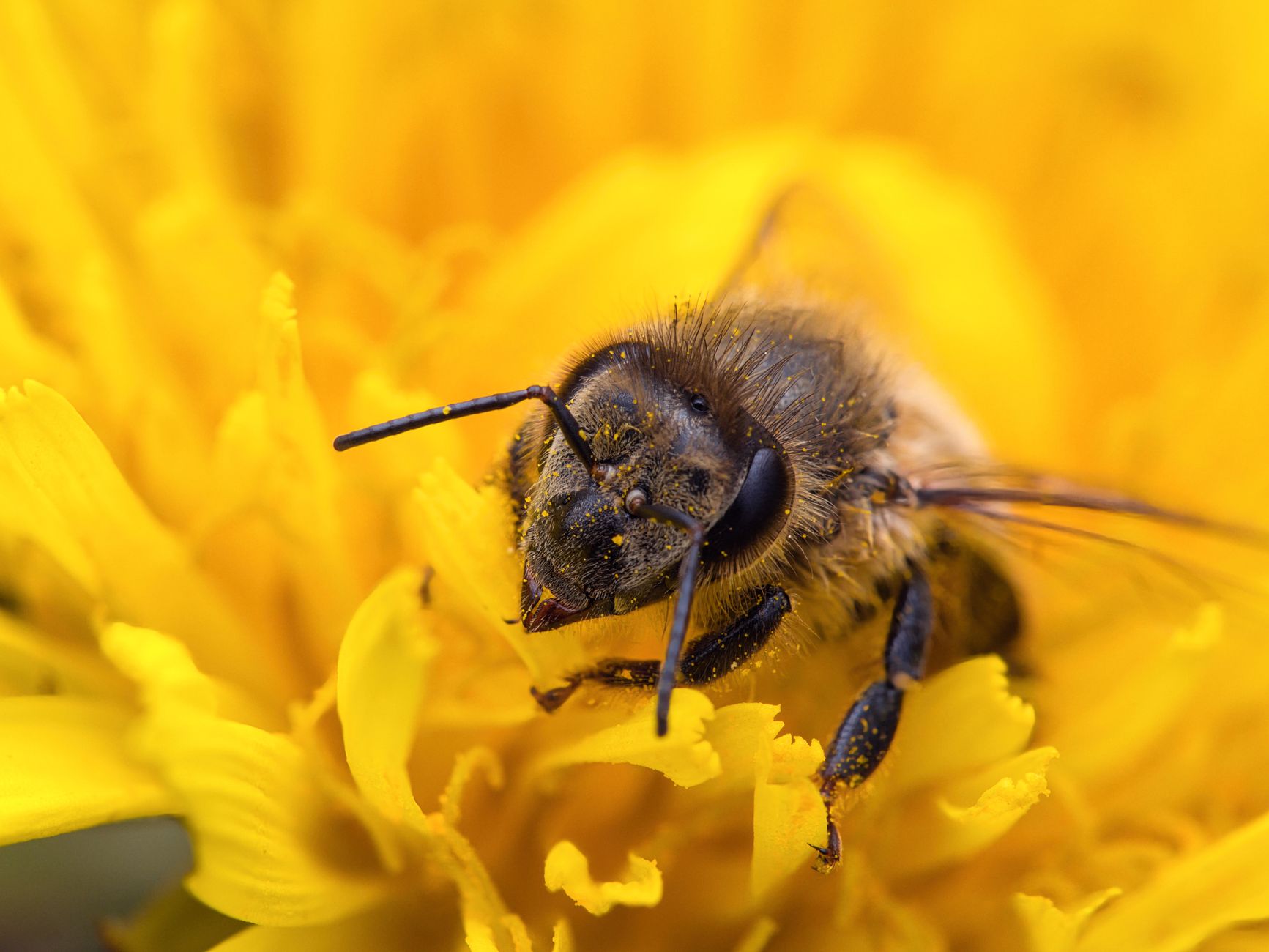
Honeybees and wild pollinators are increasingly competing for resources, as a recent study reveals. This competition could have significant implications for our ecosystems and food production.
Understanding the Competition Between Honeybees and Wild Pollinators
Recent research highlights the intricate dynamics between honeybees and wild pollinators, shedding light on how these species interact in the quest for pollen and nectar. While honeybees are domesticated and widely utilized in agriculture, wild pollinators play a crucial role in maintaining ecosystem balance.
The study reveals that honeybees often outcompete their wild counterparts, leading to significant implications for biodiversity. This competition can result in the decline of various wild species, which are essential for the pollination of many plants, including native flora.
The findings suggest that the presence of honeybees may alter the behavior and foraging patterns of wild pollinators. As honeybees establish themselves in an area, they may monopolize food resources, making it challenging for wild pollinators to thrive. This situation raises concerns about the long-term effects on plant diversity and the overall health of ecosystems.
To mitigate these impacts, it is essential to promote practices that support both honeybees and wild pollinators. This includes creating habitats that encourage the growth of diverse plants and ensuring that wild pollinator populations are sustained. By understanding the competition between honeybees and wild pollinators, we can better appreciate their roles and work towards more balanced ecological solutions.
The Role of Honeybees in Modern Agriculture
The role of honeybees in modern agriculture has become increasingly significant as farmers rely on these industrious insects for crop pollination. Honeybees, primarily managed by beekeepers, are known for their ability to pollinate a wide variety of plants. They are especially valued for their efficiency and the sheer number of flowers they visit in a single day.
However, the rise of honeybee populations has raised concerns regarding their impact on wild pollinators. A recent study highlights how honeybees are competing with wild pollinators for essential resources such as pollen and nectar. This competition can lead to a decline in the populations of native pollinators, which play a crucial role in maintaining biodiversity.
The relationship between honeybees and wild pollinators is complex. While honeybees provide substantial benefits to agricultural production, their dominance can disrupt local ecosystems. It is essential to strike a balance that allows for the coexistence of both groups. Farmers are increasingly recognizing the importance of protecting wild pollinators to ensure long-term agricultural sustainability.
- Honeybees aid in crop yields by increasing the quantity and quality of fruits and vegetables.
- Wild pollinators contribute to biodiversity and the health of ecosystems.
- Maintaining a diverse pollinator community is vital for ecosystem resilience.
Impact of Pollinator Decline on Ecosystems
The decline of both honeybees and wild pollinators poses a significant threat to ecosystems worldwide. As these vital species become less abundant, the repercussions are felt across various ecological layers. Pollinators play a crucial role in the reproduction of many plants, which are foundational to food webs and habitat stability.
Without a diverse array of pollinators, plant species that rely on them for reproduction may struggle to thrive. This decline can lead to:
- Reduced Plant Diversity: Many flowering plants depend on specific pollinators, and their loss can result in fewer plant species, altering entire ecosystems.
- Food Supply Disruption: Many fruits, vegetables, and nuts depend on pollination. A decline in pollinator populations can lead to lower yields and higher prices for consumers.
- Increased Competition: As honeybees dominate available resources, wild pollinators may struggle to find adequate food sources, exacerbating their decline.
Furthermore, the loss of wild pollinators can lead to less genetic diversity among plants, making ecosystems more vulnerable to pests and diseases. Protecting both honeybees and wild pollinators is essential for maintaining the balance of nature and ensuring the longevity of our food systems.
Why Are Honeybees Dominating Pollination?
The increasing dominance of honeybees in pollination is a phenomenon that has raised concerns among ecologists and environmentalists alike. One of the primary reasons for this trend is the managed nature of honeybee populations, which are often kept in large numbers for agricultural purposes. This management leads to a competitive environment where honeybees can easily outcompete wild pollinators for resources.
Honeybees are highly efficient foragers and have been selectively bred for traits that enhance their productivity. This efficiency means that they can gather pollen and nectar more quickly than many wild pollinators. Additionally, their ability to communicate the location of resources through their unique waggle dance gives them a significant advantage in locating food sources rapidly.
However, this dominance comes at a cost. The pressure exerted by honeybees on wild pollinators can lead to reduced access to vital resources for these native species. As honeybees continue to expand their reach, many wild pollinators face declining populations, which can disrupt local ecosystems and reduce biodiversity.
In summary, while honeybees play an essential role in agriculture, their impact on wild pollinators is a complex issue that requires careful consideration to ensure ecological balance.
The Importance of Biodiversity in Pollination
Biodiversity plays a crucial role in the health of ecosystems, particularly in the context of pollination. Honeybees and wild pollinators both contribute significantly to this process, yet their interactions can influence the overall balance of plant and animal life.
Wild pollinators, including native bees, butterflies, and birds, provide essential services that enhance food production and support diverse habitats. The decline of these species due to habitat loss and competition from honeybees can have far-reaching consequences. It is vital to recognize that each pollinator species has unique preferences and behaviors that benefit different plants.
When honeybees dominate the landscape, they can overshadow wild pollinators, leading to:
- Reduced genetic diversity among plant populations, as fewer species are successfully pollinated.
- Altered plant communities, which may struggle to adapt to changing environmental conditions.
- Imbalances in food webs, affecting other wildlife that relies on these plants for sustenance.
Maintaining a rich diversity of pollinators is essential for fostering resilient ecosystems. By supporting both honeybees and wild pollinators, we can ensure a healthier environment that benefits all species.
Future Implications for Food Security
The ongoing competition between honeybees and wild pollinators raises significant concerns for future food security. With honeybees increasingly dominating the pollination landscape, the decline of wild pollinators may have dire consequences for agricultural diversity and resilience.
As farmers rely heavily on honeybees for crop pollination, the potential loss of wild pollinators could lead to a reduction in the variety of crops available, affecting both nutrition and market stability. The interplay between these two groups of pollinators is crucial, as many plants depend on specific wild pollinators for successful reproduction.
Key implications include:
- Reduced Crop Diversity: Monocultures may become more common, threatening ecosystem health.
- Increased Vulnerability: Dependence on a single pollinator species can lead to greater risks in crop failure due to disease or environmental changes.
- Nutritional Challenges: A decline in varied crops can lead to reduced dietary options for consumers.
Addressing the competition between honeybees and wild pollinators is essential for maintaining ecological balance and ensuring sustainable food systems in the face of climate change and habitat loss.
Photo by Christian Himmel on Pexels
Read the original
Related reading
Nevada GOP House candidate: Worst Online Forum Findings Revealed · India Today Conclave: The Best Path to Growth in 2026 · Is Rahul Gandhi Right to Criticize Modi’s Meeting with Jaishankar?