
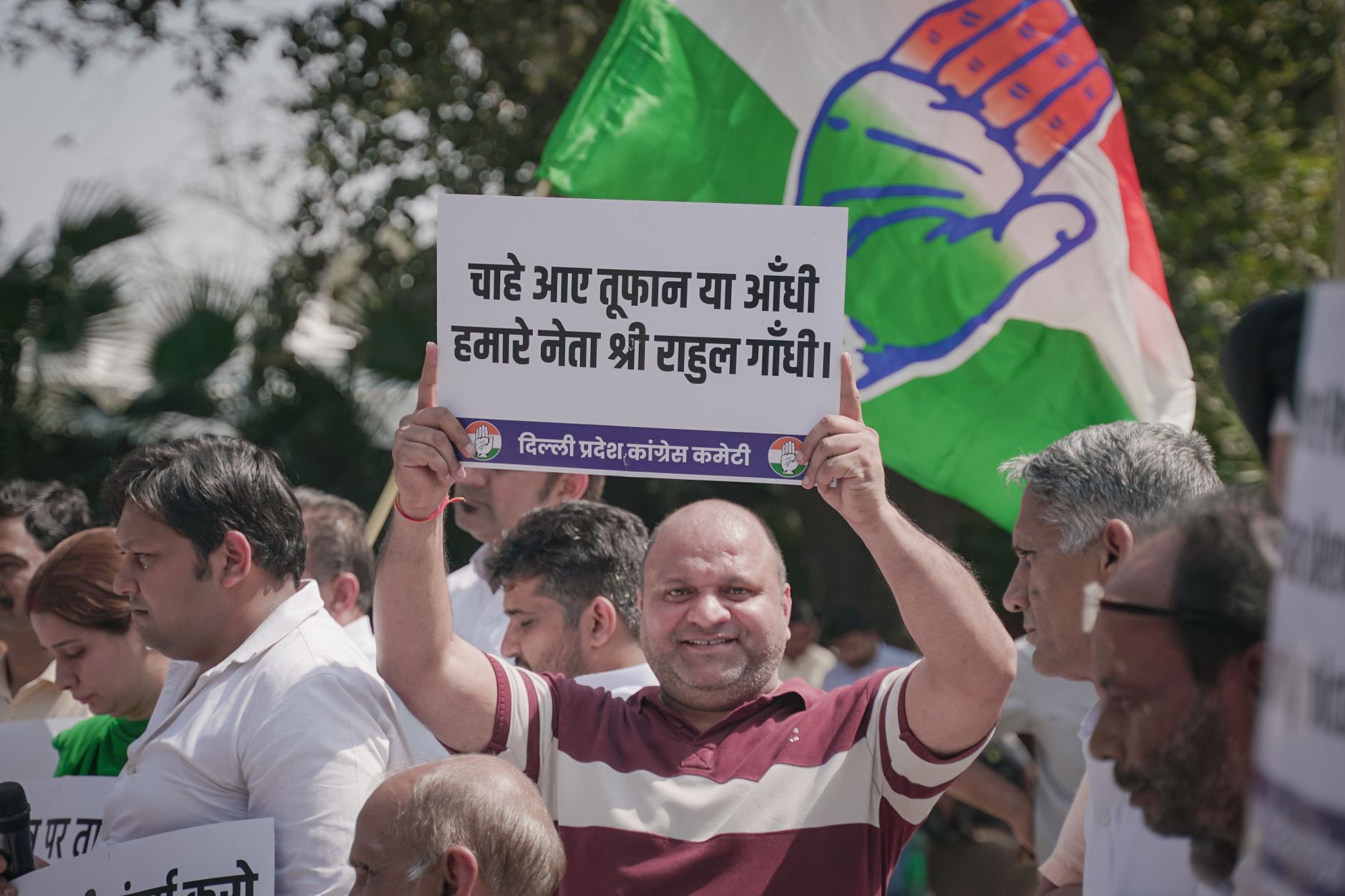
Rahul Gandhi Modi meeting has become a focal point in recent political discourse. Gandhi has openly criticized Modi regarding the recent meeting with Jaishankar, raising questions about diplomatic protocols.
Background of the Meeting
The recent meeting between Prime Minister Narendra Modi and External Affairs Minister S. Jaishankar has sparked significant controversy, with Congress leader Rahul Gandhi leading the charge against the Prime Minister. Gandhi has criticized the meeting, questioning the appropriateness of Modi’s interactions with foreign dignitaries given the current geopolitical climate.
In his remarks, Gandhi underscored the importance of accountability and transparency in governmental affairs, alleging that Modi’s actions could be seen as compromising India’s interests. He referred to the Prime Minister’s approach as reminiscent of a subordinate relationship, stating, “Rubio summoned his employee”, in reference to the minister’s role in hosting important international figures.
The Ministry of External Affairs (MEA) defended the meeting, emphasizing the necessity of diplomacy and dialogue in international relations. They asserted that engaging with global leaders is crucial for maintaining India’s strategic interests, even as the debate surrounding the Modi meeting with Jaishankar continues to gain traction.
Rahul Gandhi’s Criticism Explained
Rahul Gandhi’s criticism of the recent Modi meeting with External Affairs Minister S. Jaishankar has sparked significant debate. Gandhi has labeled the encounter as inappropriate, suggesting that it undermines India’s diplomatic integrity. He expressed concerns that hosting certain dignitaries could send a misguided signal about the government’s priorities and alliances.
In a statement, Gandhi accused Prime Minister Modi of prioritizing political optics over substantive diplomatic engagement. He argued that such meetings should reflect India’s values and commitments on the global stage, rather than merely serving as photo opportunities. Gandhi’s remarks indicate a broader concern regarding the government’s handling of international relations, particularly in relation to sensitive geopolitical issues.
This criticism is part of a larger narrative where opposition leaders are scrutinizing the government’s foreign policy approach. As the political landscape evolves, the implications of the Rahul Gandhi Modi meeting discourse may influence public opinion and the upcoming electoral climate.
MEA’s Defense of Hosting
The Ministry of External Affairs (MEA) has strongly defended Prime Minister Narendra Modi’s meeting with External Affairs Minister S. Jaishankar amidst criticism from Congress leader Rahul Gandhi. In response to Gandhi’s remarks, the MEA emphasized the importance of engaging with global leaders to foster diplomatic relationships and advance national interests. The meeting, which was described as a crucial step towards strengthening international ties, included discussions on various geopolitical issues.
The MEA outlined several key points to justify the meeting:
- Enhancing bilateral relations with other countries.
- Addressing global security challenges in a collaborative manner.
- Promoting economic partnerships that benefit India.
Despite criticisms, the MEA maintained that such engagements are vital for India’s standing on the world stage. The ongoing dialogue reflects Modi’s commitment to proactive diplomacy, a stance that Rahul Gandhi’s critique of the Modi meeting with Jaishankar appears to overlook.
Political Reactions to the Meeting
The political landscape reacted sharply following the recent Rahul Gandhi Modi meeting controversy. Various leaders and parties have weighed in, either supporting or opposing Gandhi’s stance. Some members of the opposition praised Gandhi for his boldness in holding the Prime Minister accountable, arguing that such meetings should be transparent and justified. They emphasized the need for leaders to be vigilant about who they engage with on the international stage.
Conversely, supporters of Modi defended the meeting with External Affairs Minister S. Jaishankar, asserting that diplomacy often requires engaging with a range of figures for national interests. They argue that criticism from opposition leaders may be politically motivated rather than based on substantive concerns.
Political analysts have noted that this situation could further polarize the ongoing discourse between the ruling party and the opposition, highlighting the growing tensions in Indian politics.
As the debate unfolds, it remains to be seen how this meeting will impact future diplomatic relations and domestic political dynamics.
Implications for Indian Diplomacy
The recent Rahul Gandhi Modi meeting has sparked significant debate regarding its implications for Indian diplomacy. Critics argue that Gandhi’s comments may undermine the credibility of the Indian government at a time when global relations are paramount. This meeting, which involved key discussions with external affairs minister S. Jaishankar, raises questions about the appropriateness of India’s diplomatic stance and its approach to international alliances.
Supporters of Gandhi contend that highlighting potential flaws in diplomatic strategy is essential for accountability. They believe that a robust critique can lead to a reassessment of foreign policy that better serves India’s interests. On the other hand, some political analysts express concern that such public dissent could weaken India’s position on the international stage.
Ultimately, the fallout from this meeting may prompt a reevaluation of how India navigates complex diplomatic waters, as stakeholders from various sectors weigh in on the ramifications of these high-profile interactions.
Public Opinion on the Issue
Public opinion regarding the recent Rahul Gandhi Modi meeting has been sharply divided. Many citizens support Gandhi’s criticism, arguing that a meeting with a controversial figure raises questions about the government’s stance on national security. Others, however, believe that diplomatic engagement is necessary, regardless of personal views on the individuals involved.
Some supporters of the government assert that dialogues are essential for maintaining international relations and that Gandhi’s remarks are politically motivated. They emphasize the importance of understanding the nuances of diplomacy that often go beyond public perception.
Conversely, critics of the meeting express concern over the potential implications of associating with certain dignitaries, highlighting a need for transparency and accountability in such high-level interactions. This divide reflects deeper sentiments regarding the current political climate in India, as citizens weigh the importance of accountability against the necessity of diplomacy.
Ultimately, the discourse surrounding the meeting continues to evoke strong feelings across the political spectrum.
Future of Modi’s Diplomatic Strategy
The recent Rahul Gandhi Modi meeting has sparked a debate about the future of India’s diplomatic strategy. Critics argue that the Prime Minister’s engagement with certain foreign dignitaries could undermine India’s standing on the global stage. As countries navigate complex geopolitical landscapes, the effectiveness of Modi’s approach remains in question.
Some analysts suggest that Modi’s meetings might reflect an attempt to strengthen bilateral ties, while others caution against the potential risks of alienating key allies. The balance between fostering relationships and upholding national interests is crucial as India seeks to assert its influence globally.
Furthermore, the evolving nature of international relations requires a diplomatic strategy that is both flexible and robust. Observers are keen to see how Modi’s administration responds to criticisms like Gandhi’s and whether it adjusts its approach moving forward. Ultimately, the outcome of this diplomatic engagement will shape India’s future interactions with the world.
Many analysts believe that Rahul Gandhi’s criticism of the Modi meeting with Jaishankar highlights the growing concerns over diplomatic transparency. Furthermore, the implications of the Rahul Gandhi Modi meeting could shape public perception of India’s foreign policy moving forward.
Photo by Sandeep Kashyap on Pexels