
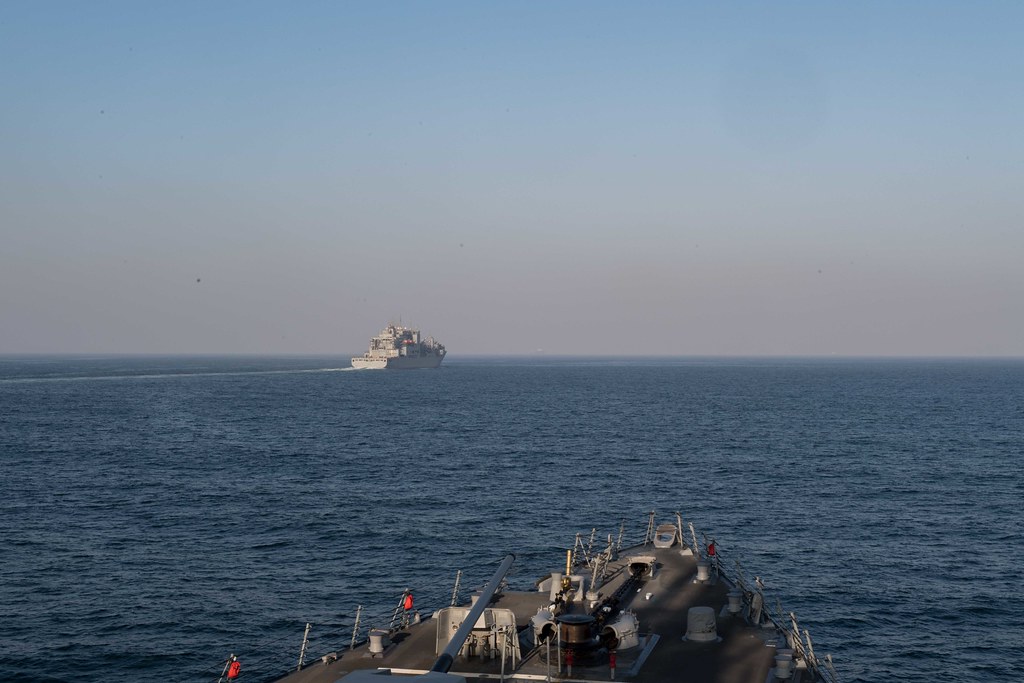
Indian ships Strait of Hormuz have been granted free passage by Iran amid escalating tensions in the region, marking a significant diplomatic development.
Background on Strait of Hormuz
The Strait of Hormuz is a strategically significant waterway that connects the Persian Gulf with the Gulf of Oman. It serves as a critical transit route for global oil shipments, with a significant percentage of the world’s petroleum passing through this narrow strait. The geopolitical importance of the Strait of Hormuz has made it a focal point of international tensions, especially involving Iran and its neighboring countries.
In recent months, heightened tensions in the region have raised concerns over maritime security and freedom of navigation. However, amidst these challenges, Iran has announced that it will allow Indian ships free passage through the Strait of Hormuz. This decision is seen as a diplomatic gesture, aimed at strengthening ties between India and Iran while promoting stability in the vital shipping route.
India has maintained a strong presence in the region, ensuring that its maritime interests are safeguarded. The assurance of safe passage for Indian ships in the Strait of Hormuz reflects the evolving dynamics of international relations and the importance of collaboration in navigating regional challenges.
Impact on Indian Shipping
The recent decision by Iran to allow Indian ships free passage through the Strait of Hormuz comes at a crucial time amid rising geopolitical tensions in the region. This development is expected to have a significant impact on Indian shipping operations, ensuring smoother logistics and trade routes.
With approximately 20% of the world’s oil supply passing through this strategic waterway, the uninterrupted movement of Indian vessels is vital for maintaining energy security and trade efficiency. The following factors highlight the implications of this decision:
- Increased Trade Opportunities: Free passage enables Indian shipping companies to explore new markets and strengthen trade ties with Gulf nations.
- Enhanced Maritime Security: The move could lead to improved safety for Indian ships operating in potentially volatile waters.
- Boost to the Economy: Easier access to oil and gas resources can enhance India’s energy imports, positively affecting the national economy.
As Indian ships navigate the Strait of Hormuz, this agreement is pivotal for securing essential maritime routes during uncertain times.
Iran’s Diplomatic Move
In a significant diplomatic gesture, Iran has announced that it will allow Indian ships free passage through the strategically vital Strait of Hormuz, despite rising regional tensions. This decision comes as part of an effort to strengthen ties with India and ensure the uninterrupted flow of trade. The Strait of Hormuz is a critical chokepoint for global oil shipments, making this move particularly noteworthy for Indian shipping interests.
Officials from both nations have expressed optimism about this development, viewing it as a step towards enhancing collaboration in maritime security. The Iranian government emphasized that ensuring safe passage for Indian vessels would bolster economic cooperation and reduce apprehensions among traders.
This decision is expected to have several positive implications:
- Economic Stability: Facilitating trade routes can lead to increased economic activity.
- Regional Cooperation: Strengthening ties between India and Iran could promote stability in the region.
- Safety Assurance: Ensuring free passage may alleviate fears among shipping companies operating in the area.
As the situation evolves, the strategic partnership between India and Iran may prove crucial for navigating future challenges in the Strait of Hormuz.
Regional Tensions and Trade
As geopolitical tensions continue to rise in the Middle East, the Strait of Hormuz remains a critical chokepoint for international shipping. The region’s instability has raised concerns among maritime nations, particularly those relying on this vital waterway for trade. Recently, the situation has prompted discussions about the safety of shipping routes and the need for diplomatic solutions to ensure free passage.
In light of these tensions, India has expressed its commitment to maintaining open trade routes. The Indian government has emphasized the importance of the Strait of Hormuz for its commercial interests, as a significant portion of its energy supplies passes through this narrow corridor.
To mitigate risks, shipping companies have been urged to enhance their security protocols while navigating these waters. The assurance from Iran allowing Indian ships free passage is a positive development, fostering a sense of stability in a region often fraught with uncertainty.
However, stakeholders remain vigilant, recognizing that the dynamic nature of regional politics can influence the operational landscape for Indian ships traversing the Strait of Hormuz.
Recent reports indicate that Indian ships Strait of Hormuz are continuing their operations despite the rising geopolitical tensions in the region. Maritime security forces are closely monitoring the situation to ensure the safe passage of Indian ships Strait of Hormuz.
By SurfaceWarriors via Openverse
Sources
You might also like
Nebraska Senate election: Is Pete Ricketts the Right Choice? · Trump Fox News Conflict: The Worst Shift in Media Trust · Is the Missouri abortion ban the worst decision ever made?