
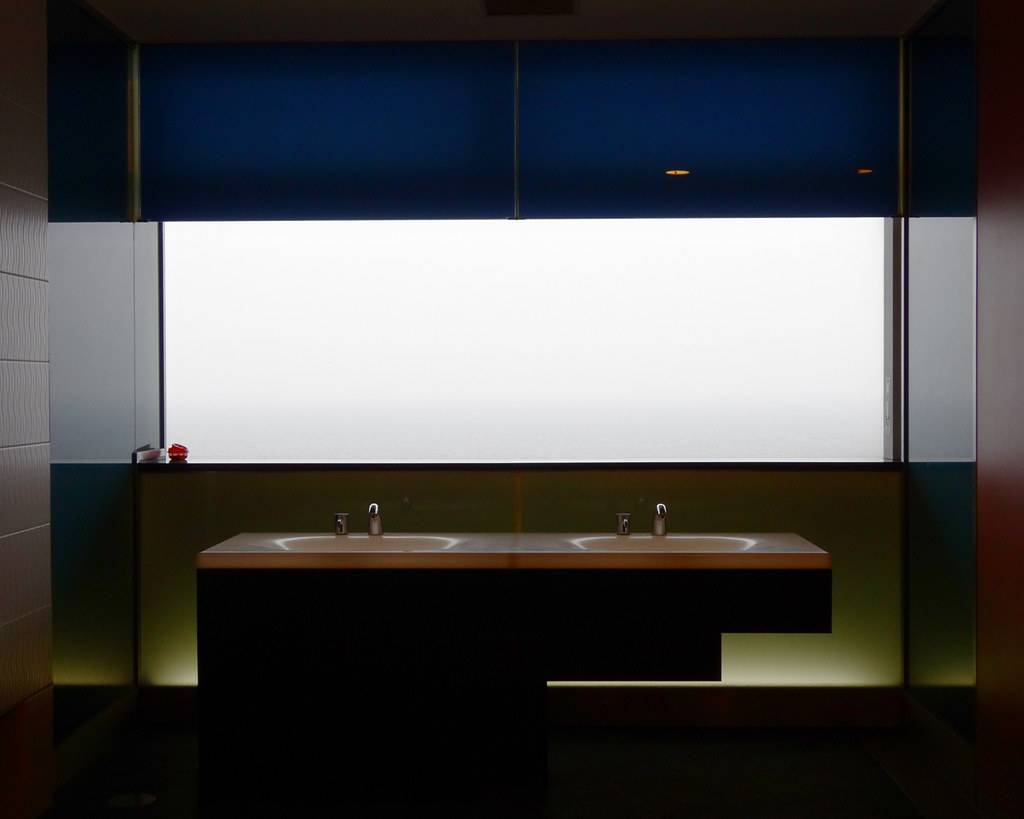
Japan public bathrooms are designed to make life easier for mothers, offering features that cater to their needs and enhance convenience.
Overview of Japan’s Public Bathrooms
Japan is renowned for its clean and efficient public bathrooms, which have become a model for facilities worldwide. These restrooms are often equipped with a variety of amenities that cater to the needs of all users, including mothers with young children.
One of the standout features of Japan’s public bathrooms is their emphasis on hygiene and accessibility. Many facilities include:
- Baby changing stations: These are available in both men’s and women’s restrooms, making it convenient for any parent.
- Spacious stalls: Larger stalls allow mothers to assist their children comfortably.
- Diaper disposal bins: These ensure that used items can be disposed of discreetly and hygienically.
- Mother-and-child facilities: Some locations even have specific areas designed for mothers and their children, providing a safe space for nursing or tending to their needs.
Furthermore, many public bathrooms in Japan feature advanced technology, such as heated toilet seats and automatic flushing systems, enhancing the overall user experience. The thoughtful design and cleanliness of these facilities demonstrate a cultural commitment to public convenience, making Japan’s public bathrooms an exceptional resource for families, especially mothers navigating the challenges of parenthood in public spaces.
Features for Mothers in Japan
Japan is renowned for its high standards of public bathrooms, and these facilities offer several features that cater specifically to mothers. Many public bathrooms across the country have been designed with the needs of families in mind, making outings with young children significantly easier.
One standout feature is the availability of spacious, clean changing areas equipped with comfortable changing tables. These designated spaces allow mothers to tend to their babies with privacy and ease. Additionally, many of these changing tables come with safety straps, ensuring that little ones are secure while being changed.
Another beneficial aspect is the presence of nursing rooms in various public bathrooms, allowing mothers a peaceful environment to breastfeed or pump milk. These rooms often include amenities such as comfortable seating, sinks for washing hands, and even outlets for electric breast pumps.
Moreover, many Japan public bathrooms are equipped with child-friendly toilets and sinks, designed at lower heights to accommodate younger users. This consideration helps promote independence in toddlers, making the potty training process smoother.
Furthermore, the emphasis on cleanliness and hygiene in Japanese public bathrooms ensures that mothers can feel comfortable and safe while using these facilities. In summary, Japan’s commitment to family-friendly amenities in public bathrooms makes them an excellent choice for mothers on the go.
Comparing Public Bathrooms Worldwide
When comparing public bathrooms worldwide, Japan stands out for its exceptional facilities that cater to various needs, particularly for mothers. Many countries struggle to provide adequate amenities, which often include a lack of privacy, cleanliness, and accessibility for families. In contrast, Japan’s public bathrooms are designed with a focus on comfort and convenience, making life easier for mothers.
In numerous countries, public restrooms may lack essential services such as:
- Changing tables: Many restrooms do not offer changing tables, forcing mothers to find alternative solutions.
- Cleanliness: Some facilities do not maintain high hygiene standards, leading to an unpleasant experience.
- Space: Narrow stalls can make it difficult for mothers with strollers or young children.
- Privacy: In many places, the design does not prioritize privacy, which can be a concern for nursing mothers.
In Japan, these issues are thoughtfully addressed. Public bathrooms often feature spacious stalls, dedicated baby-changing areas, and even nursing rooms, ensuring that mothers feel comfortable and supported. Moreover, the high standards of cleanliness and maintenance create a welcoming environment, allowing families to feel at ease while using Japan’s public bathrooms. This commitment to family-friendly facilities sets a benchmark for other countries striving to enhance their public restroom offerings.
Cultural Attitudes Towards Public Facilities
In Japan, public bathrooms are not just functional spaces; they embody a cultural respect for cleanliness and consideration for users. This attitude extends to mothers, who often find these facilities particularly accommodating. The design of Japan public bathrooms reflects a societal commitment to providing a safe and hygienic environment for all, especially families with young children.
One of the standout features of these facilities is the availability of dedicated spaces for mothers. These areas typically include:
- Changing tables: Clean and spacious tables designed for diaper changes, ensuring comfort and hygiene.
- Child-friendly amenities: Low sinks and child-sized toilets that promote independence while maintaining safety.
- Private nursing rooms: Quiet spaces that allow mothers to breastfeed without feeling exposed or rushed.
Moreover, the emphasis on cleanliness in Japan public bathrooms is evident in the regular maintenance and attention to detail. Mothers can trust that these facilities will be well-stocked with essentials like toilet paper and soap. This cultural commitment to providing high-quality public amenities not only supports mothers but also encourages a broader acceptance of public facilities as safe and accessible spaces for families. Ultimately, these considerations make Japan’s public bathrooms a model for inclusivity and functionality in urban environments.
How Japan Supports Parents
Japan’s approach to public bathrooms reflects a strong commitment to supporting parents, particularly mothers. The country has made significant strides in creating facilities that cater to the needs of families, ensuring that they feel comfortable during outings. One of the standout features of Japan’s public bathrooms is the availability of family restrooms, which are designed to accommodate parents with young children. These restrooms often include changing tables, which allow mothers to manage diaper changes with ease.
In addition to their thoughtful design, many public bathrooms in Japan are equipped with amenities such as breastfeeding areas. These spaces provide mothers with a private and comfortable environment to breastfeed their infants, making outings less stressful. The emphasis on cleanliness and hygiene in these facilities further enhances the experience for families, as parents can feel assured that their children are in a safe and sanitary environment.
Moreover, Japan’s public bathrooms often feature user-friendly signage and accessibility options, ensuring that parents can navigate the facilities without difficulty. This attention to detail extends beyond mere functionality; it reflects cultural attitudes that prioritize the needs of families. By investing in such inclusive amenities, Japan sets a global benchmark, making its public bathrooms some of the best for mothers and their children.
Real Experiences from Indian Creators
In a recent video, an Indian creator shared her firsthand experiences using Japan public bathrooms, highlighting how these facilities cater to the needs of mothers. She marveled at the cleanliness and accessibility of the bathrooms, which often feature spacious stalls that accommodate both mothers and their children comfortably. The creator pointed out that many of these bathrooms are equipped with essential amenities such as baby-changing stations and even nursing rooms, making them a haven for parents on the go.
According to her, the thoughtful design of Japan’s public bathrooms significantly reduces the stress often associated with outings for mothers. She emphasized how these facilities allow for a sense of privacy and comfort, which is crucial when attending to a child’s needs in public spaces. The ease of locating these bathrooms, especially in busy urban areas, also received praise, as it minimizes the anxiety of finding a suitable place during an outing.
Another Indian influencer echoed similar sentiments, mentioning that the presence of family-friendly features extends beyond just cleanliness. She noted that the signage is clear and often includes illustrations, making it easy for non-Japanese speakers to navigate. This attention to detail not only supports mothers but also fosters a welcoming environment for families visiting Japan, showcasing a cultural commitment to inclusivity.
Conclusion: Lessons for India
As we reflect on the insights gained from the experiences shared by Indian creators, it becomes evident that Japan’s public bathrooms offer valuable lessons for other countries, particularly in supporting the needs of mothers. The emphasis on cleanliness, accessibility, and family-friendly features in Japan’s public bathrooms highlights the importance of creating facilities that cater to all members of society.
In India, where public amenities often fall short of ideal standards, adopting some of Japan’s best practices could significantly enhance the experience for parents. Key lessons include:
- Cleanliness and Maintenance: Ensuring that public bathrooms are regularly cleaned and maintained can create a more welcoming environment for mothers and their children.
- Accessibility: Designing bathrooms with accessibility in mind, including spacious stalls and changing tables, allows mothers to feel more comfortable and less stressed while using public facilities.
- Innovative Features: Incorporating amenities like diaper disposal units and breastfeeding areas can make a substantial difference in the overall experience for mothers.
- Cultural Sensitivity: Promoting a cultural attitude that values public facilities as shared resources can encourage community support and greater investment in infrastructure.
By learning from Japan’s public bathrooms, India can take significant strides towards creating a more inclusive environment for mothers and their children.
Many mothers find that Japan public bathrooms offer amenities that cater to their needs, such as spacious changing areas and clean facilities. Additionally, the attention to detail in Japan public bathrooms ensures a comfortable experience for both parents and children.
By spinster cardigan via Openverse
References
Related stories
State Bank of India stock: Worst slip amid market weakness · Northwest Indiana news: The Best Recap of Today’s Headlines · Trump’s second term: The worst moves that shock America