
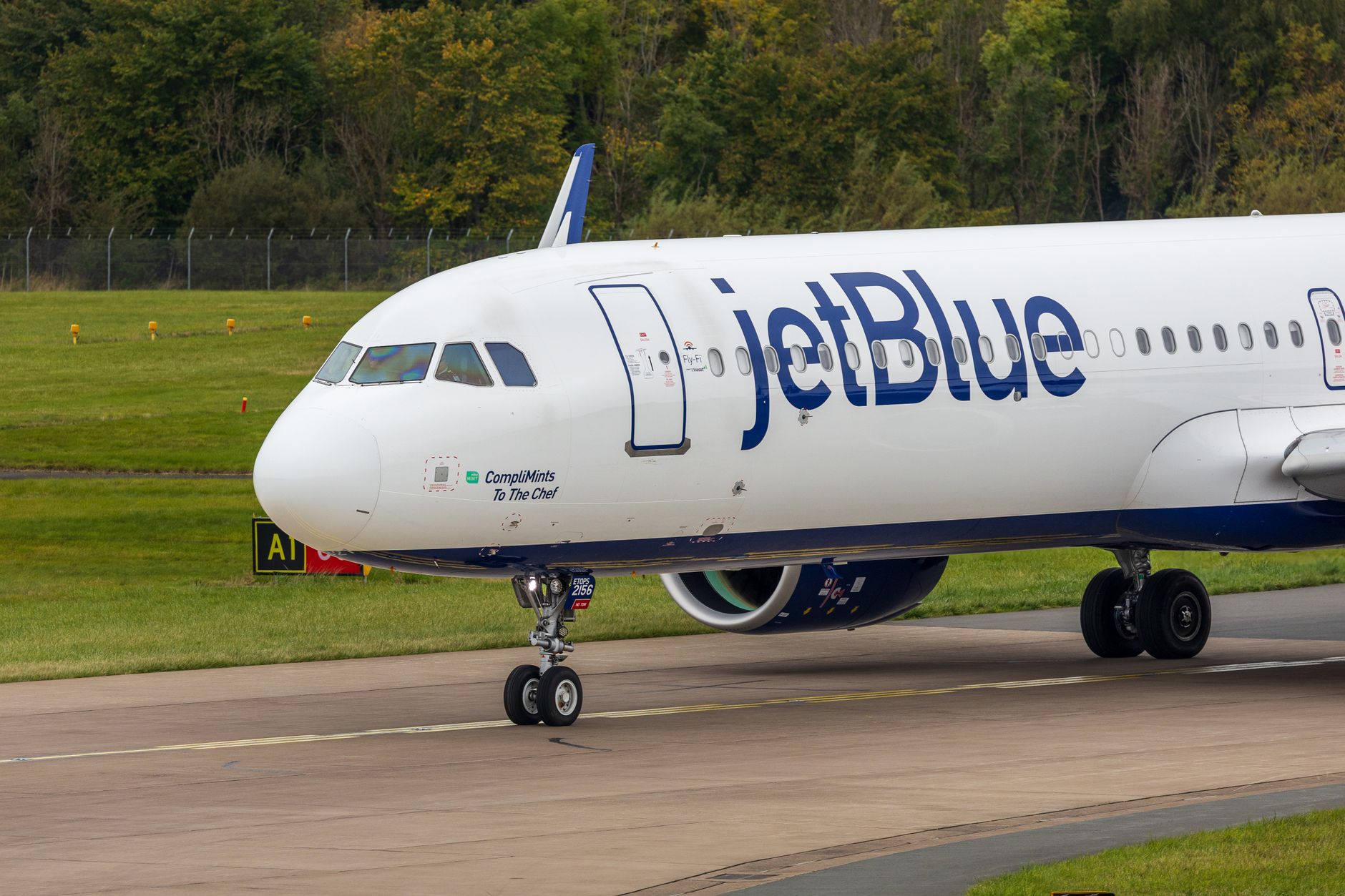
JetBlue profitability strategy is at the forefront as the CEO pushes back against creditor fears. The airline is betting on premium offerings to return to profitability amid challenging market conditions.
Understanding JetBlue’s Financial Challenges
JetBlue Airways has faced significant financial challenges in recent years, prompting a reevaluation of its profitability strategy. The airline industry, particularly during the pandemic, has seen fluctuating demand, rising operational costs, and increased competition. As JetBlue navigates these complexities, its CEO has articulated a clear plan aimed at restoring trust among stakeholders and boosting the company’s financial performance.
Key challenges include:
- High operating costs: Fuel prices and labor expenses have surged, impacting overall profitability.
- Competitive pressure: Rivals have intensified their efforts to capture market share, forcing JetBlue to rethink pricing strategies.
- Debt concerns: Creditors have expressed apprehension about the airline’s ability to meet its financial obligations.
In response, JetBlue’s management is focusing on enhancing operational efficiency and exploring premium offerings to attract higher-paying customers. This approach aims to offset increased costs while improving customer satisfaction. By implementing these strategies, the airline is not only looking to achieve profitability but also to reassure investors and build a more resilient business model moving forward.
The Role of Premium Offerings in Recovery
In the wake of financial challenges, JetBlue’s profitability strategy significantly hinges on enhancing its premium offerings. The CEO has emphasized that investing in premium services is crucial for regaining customer trust and driving revenue growth.
To illustrate this approach, JetBlue is focusing on the following key initiatives:
- Upgraded Cabin Experience: The airline plans to improve its cabin services, including more comfortable seating and enhanced in-flight entertainment options, to attract high-paying customers.
- Exclusive Loyalty Programs: By refining its loyalty program, JetBlue aims to provide more value to frequent flyers, encouraging repeat business from its most devoted customers.
- Targeted Marketing Campaigns: JetBlue is launching marketing initiatives aimed at promoting its premium services, highlighting the unique experiences that distinguish it from competitors.
This shift towards premium offerings aligns with the broader trend in the airline industry, where customers are increasingly willing to pay for enhanced travel experiences. The CEO believes that by prioritizing these offerings, JetBlue can effectively recover from its current financial setbacks and solidify its position in the market. Ultimately, the success of this profitability strategy will depend on the airline’s ability to execute these changes efficiently and meet the evolving demands of travelers.
CEO’s Vision for JetBlue’s Future
In a bold move to reshape JetBlue’s future, CEO Robin Hayes has unveiled a comprehensive vision aimed at restoring the airline’s profitability. The strategy emphasizes a renewed focus on customer experience, operational efficiency, and a commitment to sustainability, all while addressing the concerns of stakeholders and creditors.
Hayes outlined several key initiatives that form the backbone of JetBlue’s profitability strategy:
- Enhanced Customer Experience: By investing in innovative technology and upgrading cabin interiors, JetBlue aims to provide a superior travel experience that keeps customers returning.
- Operational Efficiency: Streamlining operations and optimizing flight schedules will be crucial in reducing costs and increasing profitability.
- Sustainability Initiatives: Committing to environmentally friendly practices not only aligns with consumer preferences but also positions JetBlue as a responsible airline in a competitive market.
- Strategic Partnerships: Collaborating with other airlines and service providers can expand JetBlue’s reach and improve its overall service offerings.
With these initiatives, Hayes is confident that JetBlue can regain the trust of its customers while navigating the challenges of a rapidly changing airline industry, ultimately steering the company back to profitability.
Market Reactions to JetBlue’s Strategy
Investor sentiment regarding JetBlue’s profitability strategy has shown signs of cautious optimism following the CEO’s recent statements. Many analysts believe the airline’s focus on enhancing premium offerings could be the key to regaining customer trust and financial stability.
Market reactions have been mixed, with some stakeholders expressing skepticism about the feasibility of the proposed changes. However, others have highlighted the potential for increased revenue through elevated service tiers.
- Increased Stock Activity: Following the announcement, JetBlue’s stock experienced a modest uptick, indicating a positive reception among investors.
- Analyst Upgrades: A few financial institutions have upgraded their ratings on JetBlue, citing the company’s clear plan to leverage premium offerings as a viable path to profitability.
- Competitor Comparison: Analysts are also comparing JetBlue’s strategy with those of other airlines that have successfully implemented similar premium models.
- Investor Caution: Despite the optimism, some investors remain cautious, urging the airline to demonstrate tangible results before fully committing to the new approach.
As JetBlue continues to navigate its financial hurdles, the effectiveness of its profitability strategy will be closely monitored by both the market and its loyal customers.
Comparing JetBlue’s Approach to Competitors
In an increasingly competitive airline industry, JetBlue’s profitability strategy sets it apart from its rivals. Unlike many low-cost carriers that focus on minimizing costs, JetBlue is embracing a dual approach that balances affordability with enhanced service offerings.
Key comparisons to its competitors include:
- Premium Services: While airlines like Spirit and Frontier prioritize bare-bones fares, JetBlue is investing in premium seating and services. This strategy aims to attract business travelers who are willing to pay more for a better flying experience.
- Customer Experience: JetBlue has long prided itself on exceptional customer service. In contrast, some larger airlines have faced criticism for their handling of passenger complaints. JetBlue’s commitment to maintaining high standards in customer care is integral to its profitability strategy.
- Innovation: JetBlue is exploring new technology to streamline operations, which contrasts with the more traditional approaches taken by some of its peers. This focus on innovation is crucial for long-term sustainability and profitability.
By differentiating itself through premium offerings and a commitment to customer satisfaction, JetBlue aims to not only recover from recent financial challenges but also redefine its position in the marketplace.
Key Factors Influencing Airline Profitability
Several key factors are influencing JetBlue’s profitability strategy as the airline navigates a competitive landscape. Understanding these elements is crucial for evaluating its future success.
- Operational Efficiency: Enhancing operational efficiency is vital for JetBlue. Streamlining processes and reducing costs can help the airline maintain competitive fares while improving profitability.
- Fuel Prices: Fluctuating fuel prices significantly impact airline profitability. JetBlue’s ability to manage fuel costs through hedging strategies will be essential in stabilizing its financial outlook.
- Customer Loyalty Programs: Strengthening customer loyalty programs can enhance revenue. By incentivizing frequent flyers and providing value-added services, JetBlue aims to cultivate a loyal customer base.
- Market Expansion: Expanding into new markets is a critical component of JetBlue’s strategy. Identifying underserved routes allows the airline to tap into new revenue streams and increase market share.
- Technological Innovations: Investing in technology to improve operational systems and customer experience will be vital. Innovations can lead to cost savings and enhanced passenger satisfaction.
By focusing on these key factors, JetBlue aims to execute its profitability strategy effectively, reassuring stakeholders and winning back consumer trust.
Stakeholder Reactions to CEO’s Statements
Stakeholders have expressed a mix of optimism and skepticism following the recent statements made by JetBlue’s CEO regarding the airline’s profitability strategy. Many investors are hopeful that the emphasis on premium offerings will attract a more affluent customer base, thereby enhancing revenue streams. However, some market analysts remain cautious, citing concerns over the airline’s ability to execute its plans effectively amidst rising operational costs.
In a recent conference call, the CEO reassured stakeholders, stating, “Our focus on premium services is not just a strategy; it is essential for our survival and growth.” This declaration has sparked positive reactions from several industry experts, who believe that a successful implementation could lead to increased market share. JetBlue’s profitability strategy hinges on this transition, which aims to reshape the company’s image and streamline its offerings to meet new consumer demands.
- Investors are encouraged by the potential for higher margins from premium products.
- Some analysts warn about the risks associated with increasing competition in the premium segment.
- Frequent flyers have shown interest in the proposed upgrades to in-flight services.
As the airline navigates these challenges, the coming months will be critical in determining whether the CEO’s vision can translate into tangible results for JetBlue and its stakeholders.
Future Outlook for JetBlue Airlines
As JetBlue Airlines navigates the turbulent waters of the aviation industry, its future outlook hinges on a well-defined profitability strategy articulated by CEO Robin Hayes. The airline’s recent initiatives aim to not only recover lost revenue but also to restore trust among stakeholders who have expressed concern over financial sustainability.
Key components of JetBlue’s profitability strategy involve enhancing customer experience while streamlining operational costs. The introduction of premium offerings has already shown promise, with increased demand noted in recent quarters. Analysts predict that this segment could bolster revenue streams significantly in the upcoming fiscal year.
Additionally, Hayes has emphasized the importance of strategic partnerships and route optimization as essential elements of the airline’s recovery plan. By focusing on profitable routes and collaborating with other carriers, JetBlue aims to increase its market share without overextending its resources.
Market analysts are cautiously optimistic about JetBlue’s prospects, indicating that the successful execution of this strategy could lead to a more resilient financial position. With ongoing adjustments and a commitment to enhancing profitability, JetBlue is setting the stage for a potential resurgence in the competitive airline landscape.
As the airline moves forward, its profitability strategy will be closely monitored by investors and industry observers alike.
The JetBlue profitability strategy focuses on enhancing customer experience while reducing operational costs. By implementing this JetBlue profitability strategy, the airline aims to rebuild trust with its loyal customers.
Photo by Dan Wright on Pexels
Sources
Related reading
Sam Pitroda Foreign Funding Claims: Honest Response Revealed · Kolkata-Sairang Express derailment: Worst Incident in Assam · Vivo V80 Review: Is It the Best Budget Mobile Camera?