
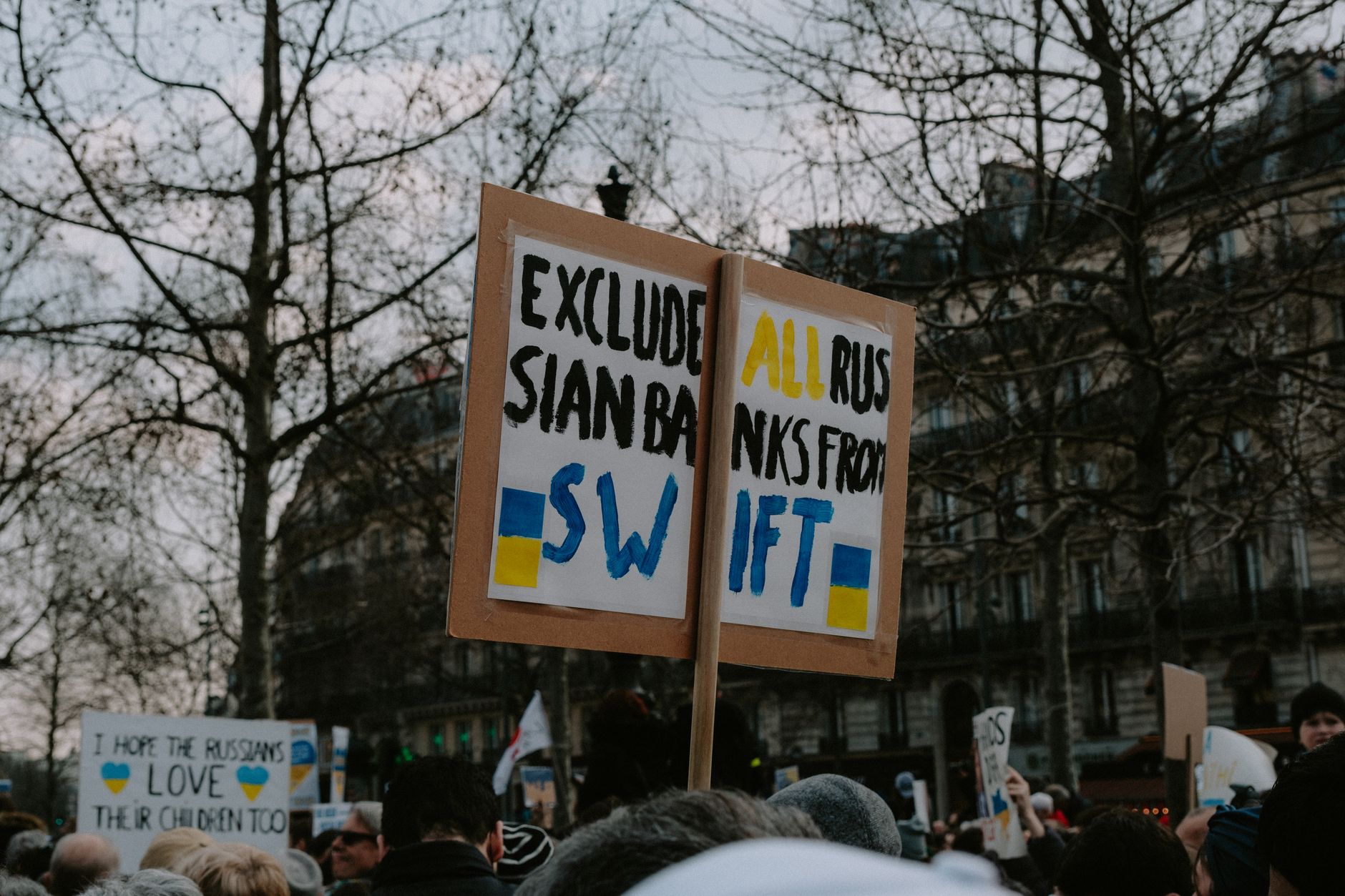
Russia sanctions waiver has sparked controversy as the US calls for a 60-day pause, facing backlash from various quarters.
Understanding the Russia sanctions waiver
The recent announcement by the US government regarding a Russia sanctions waiver has sparked significant debate among political analysts and international relations experts. This decision, described as a 60-day pause in certain sanctions, aims to address specific concerns while maintaining a strategic stance against Russian aggression.
Critics argue that such a waiver could undermine the effectiveness of sanctions that have been implemented to deter Russia’s actions in various geopolitical conflicts. They express concerns that easing restrictions, even temporarily, sends a mixed message about the US commitment to holding Russia accountable. Supporters of the waiver, however, contend that it provides an opportunity for diplomatic engagement and may lead to potential avenues for negotiation.
Key factors influencing the discussion include:
- Economic Impact: The potential effects on global markets and energy supplies are significant, as many countries rely on Russian resources.
- International Relations: The waiver could affect relationships with NATO allies and other nations that have been unified in their stance against Russia.
- Domestic Politics: The decision could influence public opinion and the political landscape in the US, as various factions weigh in on the appropriateness of the move.
As the 60-day period unfolds, the implications of the Russia sanctions waiver will be closely monitored by both supporters and critics alike.
Why is the US pausing sanctions?
In a surprising turn of events, the United States announced a temporary Russia sanctions waiver, leading many to question the rationale behind this decision. The administration has cited several key reasons for pausing sanctions against Russia, primarily focusing on geopolitical and humanitarian considerations.
- Geopolitical Stability: By easing certain sanctions, the US aims to foster dialogue and create a more stable environment in Eastern Europe. Officials believe that a pause may encourage diplomatic negotiations between conflicting parties.
- Humanitarian Aid: The US government has expressed the need to allow essential goods and services, especially humanitarian aid, to reach those affected by ongoing conflicts. The waiver is seen as a necessary step to facilitate support for civilians.
- International Relations: Strengthening alliances with European partners is another critical factor. The US hopes that by temporarily lifting some sanctions, it can maintain unity among NATO allies and reassure them of its commitment to collective security.
- Domestic Pressure: Within the US, there is growing pressure from various sectors to reassess the effectiveness of existing sanctions. Critics argue that the current measures may be counterproductive and call for a more adaptive approach.
As the 60-day pause unfolds, the implications of the Russia sanctions waiver will be closely monitored by both supporters and detractors of this policy shift.
Criticism surrounding the sanctions waiver
The recent decision to implement a Russia sanctions waiver has sparked significant controversy and criticism from various sectors. Opponents argue that this move undermines the very purpose of the sanctions, which were designed to hold the Russian government accountable for its actions on the global stage. Critics contend that easing restrictions sends a mixed message to both allies and adversaries about the seriousness of U.S. commitments to international law and human rights.
Many political analysts express concern that a waiver could embolden Russia, suggesting that the country may interpret the pause as a sign of weakness or indecision from the United States. This sentiment is echoed by several lawmakers who have publicly opposed the move, stating that it could diminish U.S. leverage in future negotiations regarding Russia’s activities in Ukraine and other geopolitical matters.
Furthermore, economic experts warn that the sanctions’ suspension could lead to unintended consequences in global markets. They argue that by allowing certain transactions to resume, the U.S. risks providing Russia with much-needed financial relief, thereby prolonging its ability to fund operations that are detrimental to international stability.
In light of these concerns, the debate continues, with many urging the administration to reconsider the implications of the Russia sanctions waiver before moving forward.
Implications for US-Russia relations
The recent decision to implement a Russia sanctions waiver has stirred significant debate regarding its implications for US-Russia relations. As the US navigates its foreign policy landscape, this temporary pause in sanctions may foster both opportunities and challenges in diplomatic engagement.
On one hand, the waiver could provide a platform for dialogue between the two nations. It might signal a willingness to cooperate on issues such as nuclear non-proliferation and regional security. By easing some restrictions, the US may aim to build trust and encourage Russia to participate in constructive discussions.
On the other hand, the timing and rationale behind the waiver have fueled skepticism among critics. They argue that it may undermine the US’s stance on human rights and territorial integrity, particularly in light of ongoing conflicts in Ukraine and Syria. The perception of inconsistency in US policy could also embolden Russia to pursue more aggressive actions, believing that the US is less willing to impose consequences.
Furthermore, domestic reactions to the waiver are mixed, with some lawmakers advocating for stricter measures against Russia. The potential for backlash could complicate future diplomatic efforts and strain bipartisan support for US foreign policy. As the situation evolves, the long-term effects of this sanctions waiver on US-Russia relations remain to be seen.
The debate surrounding the Russia sanctions waiver has intensified as lawmakers weigh its potential implications on international relations. Critics argue that a Russia sanctions waiver could undermine the efforts to hold the country accountable for its actions.
Photo by Mathias Reding on Pexels