
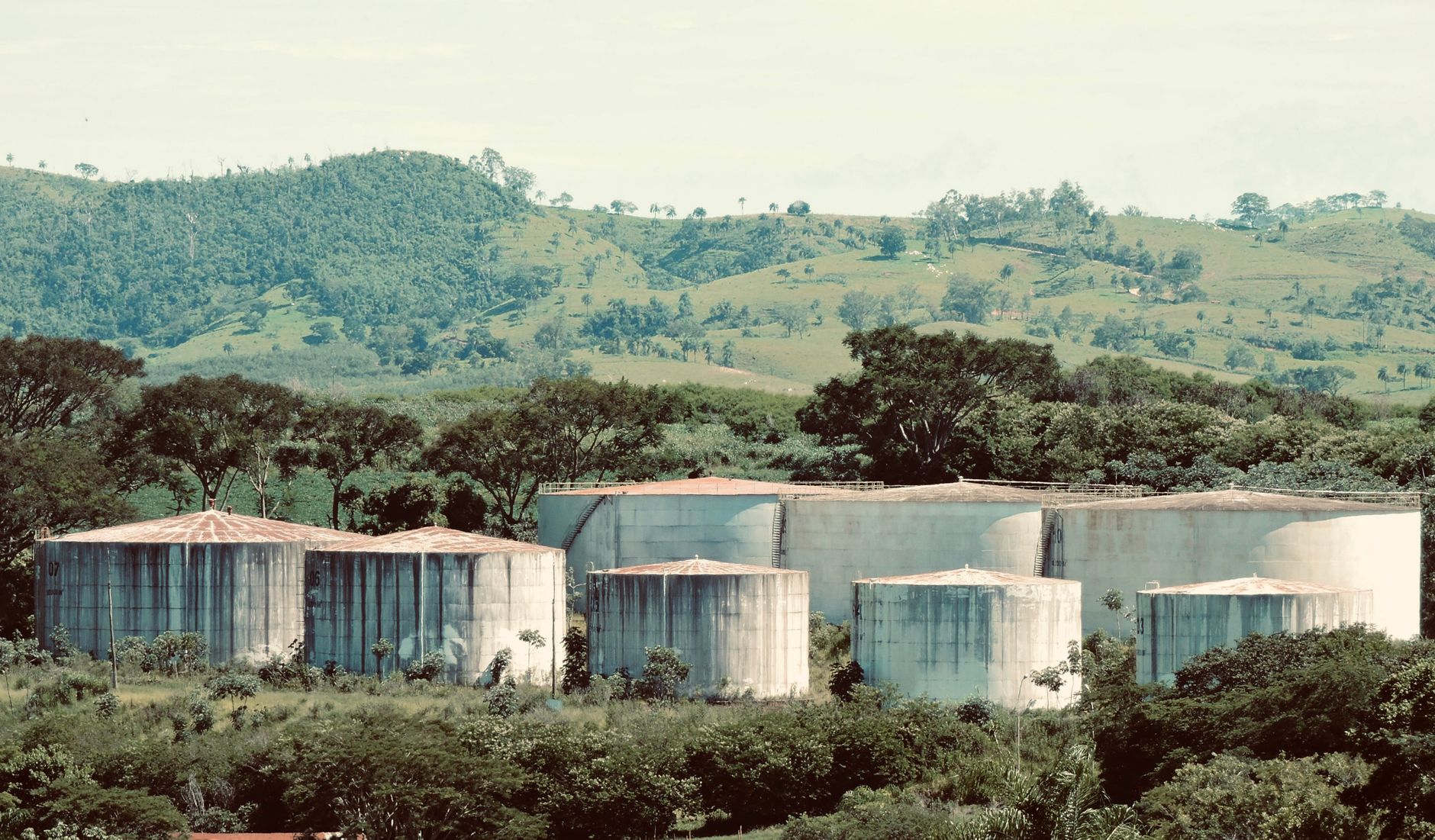
zinc capacity expansion is a strategic initiative by Vedanta in South Africa. The company aims to double its zinc production capacity as part of its broader 3-million-tonne ambition.
Overview of Vedanta’s Expansion Plans
Vedanta Resources has announced a significant zinc capacity expansion, doubling its production capabilities in South Africa. This strategic move is part of the company’s larger ambition to reach a production target of 3 million tonnes annually. By enhancing its zinc output, Vedanta aims to strengthen its market position and respond to the growing global demand for zinc, which is essential in various industries, including construction and automotive.
The expansion plans include:
- Investment in advanced mining technologies to increase efficiency.
- Strengthening partnerships with local suppliers to boost the economy.
- Implementing sustainable practices to minimize environmental impact.
As Vedanta moves forward with this zinc capacity expansion, industry experts are closely evaluating whether this decision aligns with market trends and long-term sustainability goals.
Impact on the South African Mining Sector
The recent announcement of Vedanta’s zinc capacity expansion in South Africa is expected to have significant implications for the mining sector in the region. As Vedanta aims to double its zinc production, the move is projected to create numerous job opportunities and boost local economies. Industry experts believe that this expansion could enhance South Africa’s position in the global zinc market, particularly as demand continues to rise.
However, the expansion also raises concerns regarding environmental sustainability and the potential impact on local communities. Stakeholders are urging Vedanta to prioritize responsible mining practices and engage with communities affected by the expansion.
Ultimately, the success of the zinc capacity expansion will depend on balancing economic growth with social and environmental responsibilities, ensuring that the benefits of such projects are shared widely.
Financial Implications of Increased Capacity
The financial implications of the zinc capacity expansion by Vedanta are significant and warrant thorough analysis. By doubling its zinc production capacity in South Africa, Vedanta aims to enhance its market position amidst rising global demand.
However, this ambitious expansion comes with challenges that could affect profitability:
- Capital Investment: The initial costs associated with expanding operations are substantial, requiring careful financial planning.
- Market Fluctuations: Global zinc prices can be volatile, impacting revenue forecasts.
- Operational Costs: Increased capacity may lead to higher operating expenses, including labor and maintenance.
Ultimately, while the zinc capacity expansion positions Vedanta for future growth, it must navigate these financial hurdles to ensure long-term success.
Environmental Considerations in Zinc Mining
The expansion of zinc capacity by Vedanta raises important environmental considerations that cannot be overlooked. Mining operations often lead to significant ecological impacts, including habitat destruction, water pollution, and increased carbon emissions. As Vedanta moves forward with its plans, it is crucial to assess how the company’s practices will align with sustainable development goals.
Key environmental concerns include:
- Water Usage: Increased mining activities can strain local water resources, affecting both communities and ecosystems.
- Waste Management: Proper disposal of mining waste is essential to prevent soil and water contamination.
- Air Quality: Dust and emissions from mining operations can degrade air quality and pose health risks to nearby populations.
Ultimately, Vedanta’s zinc capacity expansion must prioritize environmental stewardship to ensure a responsible approach to mining.
Future Projections for Zinc Demand
As the global demand for zinc continues to rise, projections indicate a significant increase in consumption driven by various industries. Analysts predict that by 2030, the demand for zinc could grow by over 30%, largely due to its applications in construction, automotive, and renewable energy sectors.
With Vedanta’s recent zinc capacity expansion, the company is positioning itself to capitalize on this growing market. Key factors influencing this demand surge include:
- Infrastructure development in emerging economies, which is expected to drive up the need for galvanization.
- Technological advancements in battery production that utilize zinc-based compounds.
- Environmental regulations favoring materials with lower carbon footprints, where zinc can play a crucial role.
Overall, Vedanta’s strategic move could align well with these trends, potentially enhancing its market position in the coming years.
Comparative Analysis with Competitors
The recent decision by Vedanta to pursue a zinc capacity expansion has raised questions about its strategic positioning compared to its competitors in the mining sector.
Key players like Teck Resources and Southern Copper Corporation have also been investing in enhancing their zinc production capabilities. However, Vedanta’s approach stands out for its ambitious goal of reaching a 3-million-tonne output.
While Vedanta’s expansion may bolster its market share, competitors are not standing still.
- Teck Resources has focused on sustainable mining practices to appeal to environmentally conscious investors.
- Southern Copper Corporation leverages its established presence in the Americas to maintain competitive pricing.
The comparative analysis indicates that while Vedanta is making a bold move, the industry dynamics may challenge its long-term success.
Conclusion: The Path Ahead for Vedanta
In conclusion, Vedanta’s decision to pursue a zinc capacity expansion represents a significant strategic move within the highly competitive mining sector. As the demand for zinc continues to grow, particularly in emerging markets, this expansion could position Vedanta as a leader in the industry. However, the success of this initiative will depend on how effectively the company manages environmental concerns and navigates financial challenges.
Moreover, maintaining a balance between operational efficiency and sustainability will be crucial. Stakeholders must consider both the short-term benefits and long-term implications of such an ambitious expansion. Ultimately, while the path ahead may be fraught with challenges, Vedanta’s commitment to increasing its zinc capacity could pave the way for a more sustainable and profitable future in the global mining landscape.
Photo by Rafael Rodrigues on Pexels
References
Related reading
Russia sanctions waiver: Is it the right move for the US? · Inflation Retreating from Stores: The Real Impact on Bills · Kolkata pandal stampede: Quick support for victims’ families