
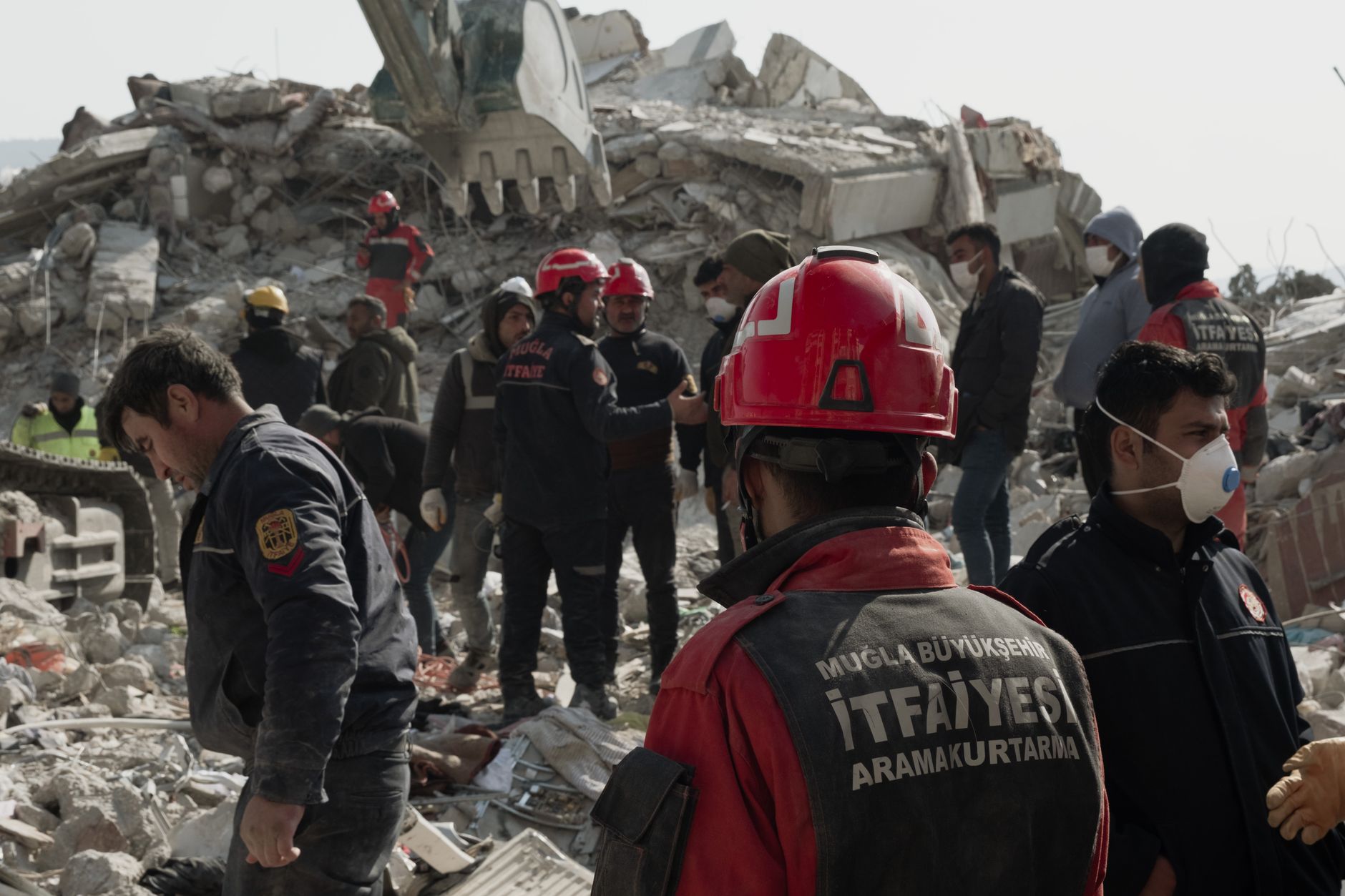
federal aid disaster survivors are still awaiting at least $10 billion in federal assistance. The ongoing delay has left many families struggling to recover from recent disasters.
Current Status of Federal Aid
In the aftermath of recent natural disasters, the current status of federal aid for disaster survivors remains a pressing concern. Many individuals and families are still awaiting access to the crucial funds they need to rebuild their lives. Reports indicate that at least $10 billion in federal aid has yet to be distributed, leaving survivors in a state of uncertainty.
Survivors have expressed their frustration and pain as they navigate the bureaucratic challenges associated with obtaining assistance. The process can often feel overwhelming, and the prolonged wait for federal aid only exacerbates their struggles. According to one survivor, “It’s devastating to see our lives on hold while we wait for help. We just want to get back on our feet.”
Several factors contribute to the delays in aid distribution, including logistical issues and the sheer volume of applications that federal agencies must process. As the need for assistance continues to grow, advocates are calling for more streamlined processes to ensure that federal aid reaches disaster survivors promptly.
In addition to financial support, many survivors are also seeking guidance on navigating the complex recovery landscape. Community organizations are stepping in to provide resources and support, emphasizing the importance of resilience during such challenging times.
As federal aid disaster survivors remain in limbo, the urgency for action and a more efficient response has never been more critical.
Impact on Disaster Survivors
The delay in federal aid for disaster survivors has left many feeling abandoned and hopeless. As communities rebuild after devastating events, the wait for necessary support can be overwhelming. Survivors often face significant challenges, including:
- Loss of housing and displacement
- Emotional and psychological trauma
- Financial instability due to property damage and job loss
Federal aid is supposed to provide essential resources to help individuals and families recover. However, the prolonged wait has led to increased frustration among those affected. Many survivors report that they have had to rely on local charities and community support to meet their immediate needs, which often falls short. The situation is particularly dire for vulnerable populations, including the elderly and low-income families, who may lack the resources to navigate the complex application processes for federal assistance.
Despite the challenges, some survivors remain resilient, drawing strength from their communities. Local organizations have stepped up to fill the gaps left by the slow federal response, providing food, shelter, and emotional support. Yet, the need for federal aid disaster survivors remains urgent. As discussions continue about the allocation of funds, advocates stress the importance of timely and efficient delivery of assistance to ensure that those affected can begin to heal and rebuild their lives.
Government Response to Aid Delays
The response from the government regarding federal aid disaster survivors has been slow, leaving many individuals and families in a state of uncertainty. As recovery efforts continue, reports indicate that at least $10 billion in federal aid is still pending, prompting concerns about the long-term implications for those affected by recent disasters.
Survivors have expressed their frustration over the delays, highlighting the urgent need for financial assistance to rebuild their lives. Many have found themselves in precarious situations, struggling to cover basic necessities such as housing, food, and medical care. The lack of timely support not only exacerbates existing hardships but also hinders the overall recovery process.
In response to the growing outcry, federal officials have acknowledged the challenges in disbursing aid efficiently. They have outlined several measures aimed at expediting the process, including:
- Streamlining Application Processes: Efforts to simplify the paperwork required for accessing funds.
- Increasing Staffing Levels: Hiring additional personnel to handle claims and inquiries.
- Enhancing Communication: Providing clearer updates to disaster survivors on the status of their applications.
Despite these efforts, many remain skeptical about the effectiveness of the proposed solutions. As federal aid disaster survivors continue to wait, the emotional toll of uncertainty weighs heavily on communities striving to rebuild.
Personal Stories of Struggle
The aftermath of a disaster can leave survivors grappling with not just physical loss but emotional turmoil as well. Many individuals have shared their personal stories of struggle, highlighting the challenges they face while waiting for federal aid to assist in their recovery.
One survivor, Jane Doe, recounts her experience after her home was destroyed by flooding. “I never thought I would find myself in this position,” she said. “Every day feels like a battle. I’m just trying to keep my family together, but we need federal aid to rebuild.” Jane’s story is mirrored by countless others who, like her, are dependent on timely assistance to restore their lives.
Another survivor, John Smith, shared his frustration as he navigates the bureaucratic maze to secure help. “I hear about the billions allocated for disaster recovery, but for us, it feels like a distant promise,” he stated. “We are hopeful, but with each passing day without aid, that hope fades.” The emotional strain on families is palpable as they transition from hopeful anticipation to devastating disappointment.
These personal narratives are a testament to the urgent need for efficient federal support. Without swift action, many disaster survivors remain in limbo, struggling to find hope in their recovery process.
Future of Federal Assistance Programs
As the nation grapples with the aftermath of recent disasters, the future of federal assistance programs remains a critical topic for many affected individuals and communities. Federal aid disaster survivors are not only waiting for the much-needed funds but also for assurance that systemic issues will be addressed to improve the efficiency of aid distribution.
In light of ongoing challenges, several key initiatives have been proposed to enhance the effectiveness of assistance programs:
- Streamlining Application Processes: Simplifying the application procedures for federal aid can help ensure that survivors receive timely support, reducing the bureaucratic hurdles that often delay aid.
- Increased Funding Allocations: Advocates are calling for Congress to increase funding for disaster recovery programs, which could prevent future backlogs and provide immediate relief to those in need.
- Enhanced Communication: Establishing clearer communication channels between federal agencies and disaster survivors can help keep affected individuals informed about their aid status and available resources.
- Long-term Recovery Plans: Developing comprehensive recovery strategies that extend beyond immediate disaster response is essential for fostering resilience in communities prone to disasters.
While the challenges are significant, the commitment to improving federal aid programs offers a glimmer of hope for disaster survivors seeking to rebuild their lives after catastrophic events.
Many federal aid disaster survivors have found strength in community support as they navigate the recovery process. The stories of these federal aid disaster survivors highlight the resilience and determination needed to rebuild their lives.
Photo by Doruk Aksel Anıl on Pexels